Creosote Removal in Cumberland County, NJ: What Franklinville Homeowners Need to Know
Creosote removal is an important part of maintaining a wood-burning fireplace or stove. This combustible residue forms when wood smoke cools and condenses along the inside of a chimney flue. As deposits accumulate, they can increase the risk of a chimney fire and interfere with proper venting.
For homeowners in Franklinville and across Cumberland County, New Jersey, the safest approach is to schedule annual chimney inspections and arrange cleaning whenever it is needed. Understanding how creosote forms, how professionals remove it, and when to stop using a fireplace can help you make informed maintenance decisions.
What Is Creosote, and Why Is It Dangerous?
Creosote is a combustible deposit that forms as wood-burning byproducts condense on cooler chimney surfaces. It can appear as flaky soot, a sticky or tar-like residue, or a hard, shiny coating. Different types of deposits may be present in the same chimney.
The concern is not simply how the buildup looks. If enough combustible material accumulates and the flue reaches the necessary temperature, a chimney fire can occur. A fire inside the flue can damage masonry, crack flue tiles, and distort metal components. Some damage may remain hidden until a professional inspects the system.
Creosote can also contribute to chimney odors and deterioration. Removing deposits when necessary helps the chimney vent properly and reduces avoidable fire hazards.
How Often Should a Chimney in Franklinville Be Cleaned?
The Chimney Safety Institute of America (CSIA), following National Fire Protection Association guidance, recommends that chimneys, fireplaces, and vents be inspected at least once a year. Cleaning, maintenance, and repairs should be completed as needed.
The amount of cleaning required depends on several factors, including:
-
How frequently the fireplace or wood stove is used.
-
The type and moisture content of the wood being burned.
-
How the appliance operates and drafts.
-
The amount and condition of soot and creosote inside the flue.
A household that burns wood regularly throughout the winter may accumulate deposits differently from one that uses its fireplace occasionally. However, usage alone cannot establish whether a chimney needs cleaning. An inspection is the appropriate way to assess its condition.
CSIA advises sweeping masonry fireplaces when soot buildup reaches approximately one-eighth of an inch, or sooner when glaze is present. Factory-built fireplaces have their own maintenance considerations, so homeowners should follow the appliance manufacturer’s requirements and a qualified professional’s assessment.
Can You Remove Creosote Yourself?
Homeowners can perform some basic fireplace maintenance, such as removing cold ash when appropriate and keeping the hearth area clear. Cleaning the entire chimney flue is a different task.
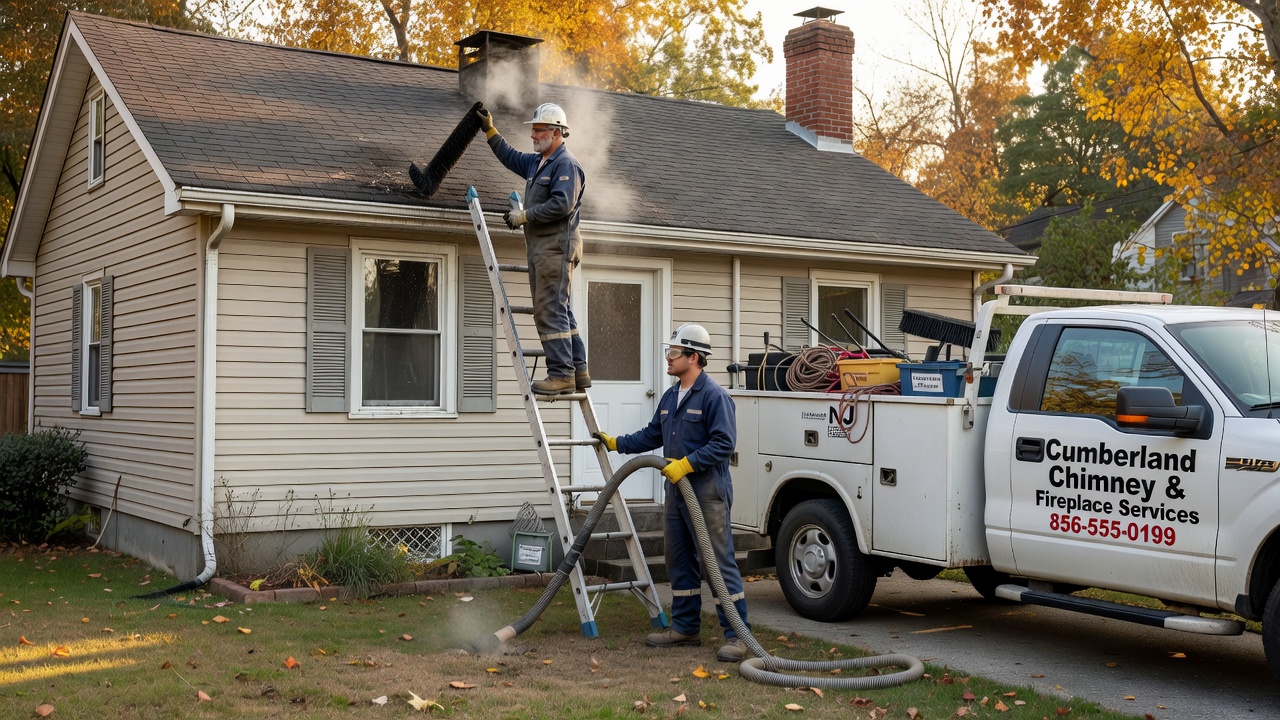
Professional chimney sweeping involves selecting suitable equipment for the flue and removing deposits from the chimney system. A qualified technician can also assess the condition of accessible components and identify concerns that ordinary household cleaning may miss.
Hard or glazed creosote can be especially difficult to remove. Specialized mechanical equipment or professional-applied chemical treatments may be appropriate in some cases, depending on the deposit and chimney construction. No single treatment is suitable for every chimney.
Avoid climbing onto the roof or attempting aggressive scraping, powered brushing, or chemical treatment without the necessary training and equipment. Improper techniques can damage chimney components or expose you to falls and hazardous dust.
Chimney sweeping logs and other chemical cleaning products should not be treated as complete replacements for professional inspection and mechanical cleaning when required.
What Happens During Professional Creosote Removal?
The exact process depends on the chimney’s design, accessibility, and condition. A typical service may include the following steps.
1. Initial assessment
The technician reviews the fireplace or stove, checks accessible components, and assesses the deposits and any visible concerns. The findings help determine the appropriate cleaning method.
2. Protecting the work area
Drop cloths and suitable containment equipment help protect the surrounding room from soot and debris. Professional vacuum equipment may also be used to control dust during cleaning.
3. Mechanical cleaning
The technician uses brushes or other suitable tools to remove deposits from the flue and other areas that require cleaning. The equipment must be appropriate for the chimney’s construction and condition.
4. Specialized treatment when necessary
Some hard or glazed deposits may require additional treatment before they can be removed effectively. A qualified professional should explain why a particular method is recommended, what it involves, and whether follow-up work is needed.
5. Final assessment
After cleaning, the technician checks the relevant accessible areas and explains any defects or concerns identified during the work. The appropriate inspection level depends on the circumstances and whether a more extensive evaluation is necessary.
There is no single service duration or treatment plan that applies to every chimney. Ask the provider what the quoted service includes before authorizing work.
Warning Signs of Significant Creosote Buildup
Certain signs can indicate that your chimney needs professional attention:
-
A strong, persistent smoky or tar-like odor coming from the fireplace.
-
Visible dark deposits or shiny, hardened residue in accessible areas.
-
Creosote flakes or unusual debris around the fireplace or chimney.
-
Smoke entering the room during normal fireplace operation.
-
Evidence of heat damage, warped metal components, or damaged flue tiles.
These signs do not all prove that creosote is the cause. Odors and smoke problems can have other explanations, while serious chimney damage may not be visible from the fireplace opening.
Do not climb onto the roof to investigate suspected damage yourself. If smoke repeatedly enters the home, stop using the appliance and arrange a professional evaluation. If you suspect an active chimney fire, evacuate the home and call 911. Do not use the chimney again until a qualified professional has evaluated it.
Does Firewood Affect Creosote Buildup in South Jersey?
Yes. The moisture content of firewood and the way a fire burns can affect the amount of smoke and creosote produced.
Wet or unseasoned wood can generate more smoke and burn less efficiently. Restricted airflow and prolonged smoldering can also encourage creosote accumulation.
The U.S. Environmental Protection Agency recommends burning dry, seasoned wood and checking its moisture content with a wood moisture meter. A reading of 20 percent or less is a useful target for firewood.
To prepare wood for burning:
-
Split logs so they dry more efficiently.
-
Stack the wood off the ground in a location with good airflow.
-
Cover the top of the stack while leaving the sides open.
-
Check the moisture content before burning.
Burning dry wood can help reduce smoke and creosote formation, but it does not eliminate the need for chimney inspections and cleaning when required.
What Is the Difference Between Chimney Cleaning and Inspection?
Chimney cleaning and inspection serve different purposes.
Cleaning removes soot, creosote, and other deposits from the chimney system.
Inspection evaluates the condition of the chimney, fireplace, venting components, and accessible areas for defects or safety concerns.
A Level 1 inspection is generally appropriate for a chimney used under the same conditions when the system is accessible for routine evaluation. A Level 2 inspection is called for in circumstances such as a property sale or transfer, a change to the appliance or fuel, or an event that may have damaged the chimney. It includes a more extensive examination and an interior video scan when feasible. A Level 3 inspection may be needed when a suspected hazard cannot be adequately evaluated without accessing concealed areas.
If a chimney fire has occurred, do not resume using the fireplace simply because the flames are out or the exterior looks undamaged. The chimney should be swept as needed and evaluated by a qualified professional before it is used again.
How Can Homeowners Choose a Chimney Contractor?
Before scheduling creosote removal in Franklinville or elsewhere in Cumberland County, ask the contractor a few practical questions:
-
Is the technician who will perform the work currently CSIA-certified?
-
What inspection is included in the service?
-
How will the technician determine the appropriate cleaning method?
-
What happens if hard or glazed deposits are discovered?
-
Will you receive an explanation of any defects and recommended repairs?
-
Does the estimate clearly describe the work and any additional charges?
You can use the CSIA’s online directory to look up and verify a technician’s certification. Ask for a written estimate that distinguishes cleaning from repairs and any additional inspection work.
Costs vary with the chimney’s condition, accessibility, deposit severity, and scope of service. A price should be based on the work required rather than an assumption that every chimney needs the same treatment.
DIY vs. Professional Creosote Removal
| Task | Recommended approach |
|---|---|
| Removing cold ash from the firebox | Homeowner maintenance, following appliance guidance |
| Assessing deposits inside the flue | Professional inspection |
| Routine chimney sweeping | Qualified chimney professional |
| Removing hard or glazed creosote | Professional assessment and appropriate treatment |
| Evaluating suspected chimney fire damage | Qualified professional inspection before reuse |
| Inspecting concealed or inaccessible damage | Additional inspection when warranted |
| Checking gas-appliance venting | Annual professional inspection and appropriate maintenance |
Schedule Chimney Service in Cumberland County, NJ
If your fireplace or wood stove in Franklinville, Vineland, Millville, Bridgeton, or another Cumberland County community has not been inspected this year, consider arranging a professional assessment before continued use.
Vineland Chimney is named as the service provider for this article. Before publishing a claim that it offers free inspections, confirm the offer directly with the company and clarify exactly what is included. Homeowners should also verify the technician’s current credentials and request a clear explanation of any recommended work.
Regular inspections, appropriate cleaning, and dry firewood can help homeowners maintain their chimney systems and reduce avoidable risks. When creosote buildup or possible damage is suspected, a qualified professional can determine the next steps.
Related from Vineland Chimney: Chimney Sweep in Vineland, NJ — Professional Cleaning & Inspection · Chimney Sweep in Vineland — Ready Before the First Cold Night Hits
Our services
Buena, New Jersey Chimney Sweep, Repair & Inspection … · Audubon, New Jersey Chimney Sweep, Repair & Inspectio… · Ocean City, New Jersey Chimney Sweep, Repair & Inspec… · Haddonfield, New Jersey Chimney Services · Pleasantville, New Jersey Chimney Services · Bellmawr, New Jersey Chimney Services
Areas we serve
Vineland, NJ · Vineland, NJ · Vineland, NJ · Vineland, NJ · Vineland, NJ · Vineland, NJ · All areas →