
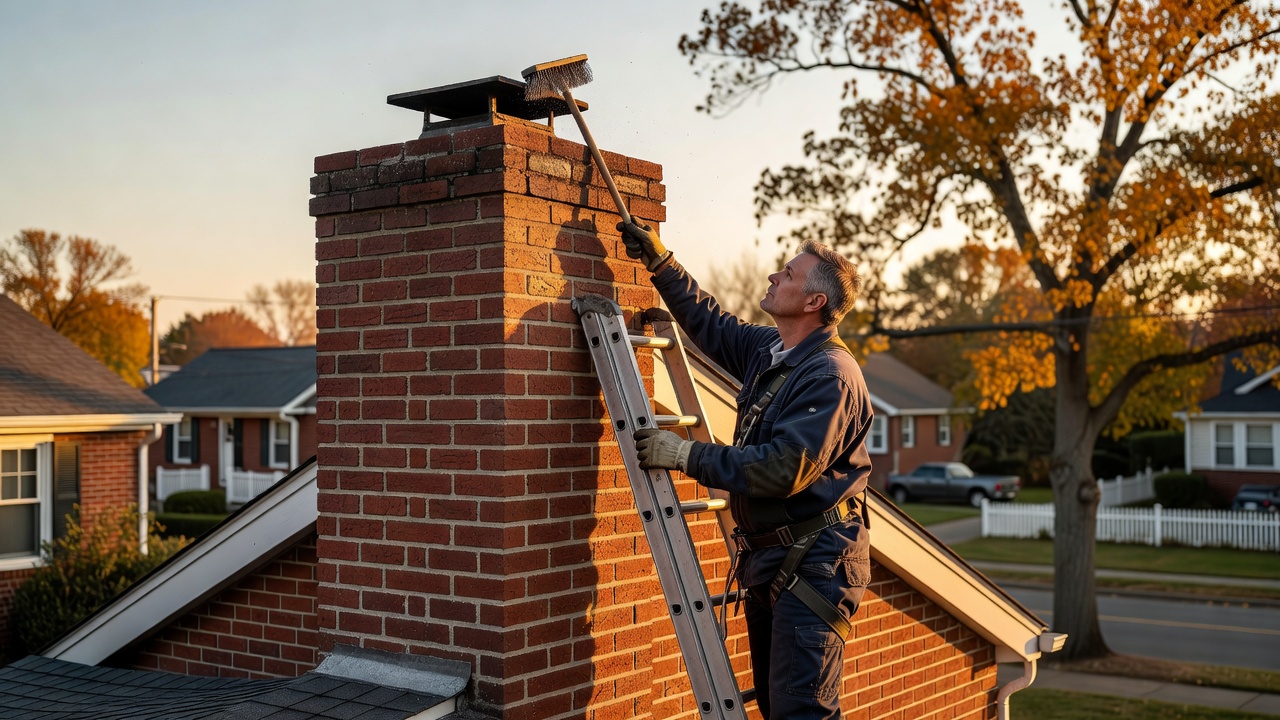
When to Schedule a Chimney Sweep in Bridgeton, NJ and What Skipping It Can Cost
For homeowners in Bridgeton, Elmer, and surrounding South Jersey communities, chimney maintenance is easiest to manage when it is planned before the heating season gets busy.
The best time to schedule a chimney inspection and cleaning is generally late summer through early fall, before regular fireplace use begins. Spring can also be a practical option for homeowners who prefer to address maintenance after the heating season. The important point is not simply choosing a month. Your chimney should be inspected at least annually, with cleaning performed when deposits or other conditions make it necessary. CSIA follows NFPA 211 guidance that chimneys, fireplaces, and vents should be inspected at least once a year.
When Is the Best Time to Schedule a Chimney Sweep in Bridgeton, NJ?
For most homeowners, August through October is a practical scheduling window.
Booking before the heating season gives you time to address problems discovered during the inspection. A sweep may identify creosote buildup, an obstruction, damaged masonry, a problem with the chimney cap, or another condition that needs attention before the fireplace is used regularly.
That does not mean winter or spring is automatically the wrong time. If you have not had your chimney inspected, getting it checked later is better than continuing to use an uninspected system.
The U.S. Environmental Protection Agency recommends having wood-burning appliances and chimneys professionally inspected each year.
Why Annual Chimney Inspections Matter
An annual inspection is not simply about finding creosote.
CSIA explains that the annual inspection standard considers the chimney’s soundness, freedom from deposits, and correct clearances. Even a chimney that is used infrequently can develop problems such as animal nests, obstructions, or deterioration.
For wood-burning fireplaces and stoves, creosote is an important concern. EPA explains that creosote forms when combustion by-products condense on the cooler interior surfaces of the chimney. It is combustible and can contribute to chimney fires when enough accumulates.
CSIA recommends sweeping masonry fireplaces when there is about 1/8 inch of sooty buildup, and sooner when glaze or hardened creosote is present.
Season by Season: When Should You Schedule?
Late Summer: A Good Time to Plan Ahead
August and early September can be excellent months to arrange an inspection and cleaning.
The chimney is usually not being used regularly, so homeowners have time to address problems before colder weather arrives. If the inspection identifies a repair that requires another appointment or replacement component, scheduling early provides more time to deal with it.
This is especially useful if you have not had the chimney inspected since the previous heating season.
Early Fall: Still a Good Window
September and October are also practical times to schedule chimney service.
As temperatures begin to fall, more homeowners start preparing fireplaces and wood-burning appliances for regular use. Scheduling before your first fire gives the chimney professional an opportunity to identify problems before you depend on the system.
If your chimney has not been inspected recently, do not wait for the first cold night to discover a problem.
November and December: Don’t Assume You’re Too Late
The beginning of winter is not too late to schedule an inspection.
If you have already started using the fireplace and have not had the chimney inspected, arrange service as soon as practical. The EPA recommends annual professional inspection and maintenance of wood-burning systems.
Do not continue using a system if you notice smoke entering the home, unusual odors, visible damage, or another sign that something may be wrong. EPA advises homeowners who smell smoke inside to stop using the appliance and have the system checked by a qualified professional.
January and February: Better Late Than Never
Mid-winter is not the ideal time to discover that your chimney needs maintenance, but delaying service indefinitely is worse.
If your chimney has not been inspected or cleaned when needed, schedule an appointment rather than assuming you can wait until the following year.
Winter also brings increased use of heating equipment. EPA recommends annual professional inspection of wood-burning appliances, chimneys, and vents.
Spring: A Useful Maintenance Window
March through May can also be a convenient period for chimney maintenance.
A post-season inspection can identify problems that developed during winter, including deposits, obstructions, or visible deterioration. Addressing those issues before the next heating season gives homeowners more time to plan repairs.
Bridgeton receives roughly 43 inches of precipitation annually based on available climate data, so moisture exposure is another reason to pay attention to chimney and masonry conditions.
How Often Should a Chimney Be Swept?
There is no universal rule that every chimney must be swept exactly once each year.
The more accurate recommendation is to have the chimney inspected annually and clean it whenever deposits or other conditions require cleaning.
For masonry fireplaces, CSIA recommends sweeping when sooty buildup reaches approximately 1/8 inch. It also recommends cleaning sooner if glaze is present.
How quickly deposits accumulate depends on factors such as:
- How frequently you use the fireplace
- What type of wood you burn
- Whether the wood is properly seasoned
- How efficiently the appliance burns
- The design and condition of the chimney
- How well the fire is operated
EPA recommends burning dry, seasoned wood with moisture content of 20% or less to reduce smoke and improve combustion.
Why Burning Wet Wood Can Increase Creosote
The condition of your firewood affects chimney deposits.
EPA explains that unseasoned wood contains more moisture. Burning it requires energy to evaporate that water, which can produce more smoke and contribute to creosote formation. EPA recommends properly dried firewood with moisture content of 20% or less.
For homeowners who season their own firewood, EPA recommends storing softwood for at least six months and hardwood for at least one year.
A moisture meter can provide a more reliable way to determine whether firewood is ready to burn.
What Happens During a Chimney Sweep?
A chimney sweep removes accumulated soot, creosote, and other deposits from the chimney system when cleaning is necessary.
The exact process depends on the type and condition of the chimney. A professional may inspect accessible portions of the fireplace, chimney, flue, damper, and related components while looking for deposits, obstructions, damage, or other problems.
A Level 1 inspection is the basic inspection category used when the chimney and appliance have not undergone significant changes and there are no known indications of a problem. If conditions warrant a more detailed examination, a higher-level inspection may be recommended.
CSIA and EPA both emphasize professional inspection as part of maintaining wood-burning systems safely.
What Can Happen If You Skip Chimney Maintenance?
Skipping chimney maintenance can allow problems to go unnoticed.
Creosote is combustible and can contribute to chimney fires. EPA also explains that chimney problems can affect how a wood-burning appliance vents combustion products.
A chimney can also develop obstructions or structural problems between inspections. CSIA notes that animals can build nests in chimneys and that deterioration can make a chimney unsafe even when it is not used frequently.
The potential consequences are not limited to cleaning costs. A neglected chimney may eventually require additional work if deposits, masonry deterioration, obstructions, or other problems are allowed to progress.
Don’t Ignore Carbon Monoxide Concerns
Carbon monoxide is another reason proper inspection and maintenance matter.
A chimney and venting system must be able to carry combustion gases safely outside the home. Problems with the appliance or venting system can affect that process.
EPA recommends installing carbon monoxide detectors on every floor of the home and outside sleeping areas.
If you smell smoke inside your home while using a wood-burning appliance, EPA recommends stopping use and having the appliance and venting system checked by a qualified professional.
Bridgeton and Elmer Homeowners Should Not Wait for the First Cold Night
Elmer is a small borough in Salem County. The 2020 Census recorded a population of 1,347.
Bridgeton is located in Cumberland County, and both communities experience a seasonal pattern in which fireplaces and wood-burning appliances may see increased use during colder months.
That makes late summer and early fall useful planning periods for chimney maintenance. But the calendar should not override safety. If your chimney is overdue for inspection or you notice a problem, schedule an inspection regardless of the season.
How to Prepare for Your Chimney Inspection
Before the appointment, make a note of:
- When the chimney was last inspected
- When it was last cleaned
- How frequently you use the fireplace
- What type of wood you normally burn
- Whether you have noticed smoke indoors
- Any unusual odors
- Any visible masonry or chimney-cap damage
- Whether animals or birds may have entered the chimney
This information can help the chimney professional understand the system’s history and determine what should be examined.
Schedule Chimney Service in Bridgeton, NJ
If you live in Bridgeton, Elmer, Millville, Vineland, or a surrounding South Jersey community, planning chimney maintenance before regular fireplace use can make the process easier.
Vineland Chimney serves homeowners throughout the area and offers chimney inspection and cleaning services for local properties.
If you are unsure when your chimney was last inspected or whether it needs cleaning, contact Vineland Chimney to schedule an evaluation. An annual inspection can help identify deposits, obstructions, and other chimney problems before they become larger concerns.
Related from Vineland Chimney: Chimney Sweep in Vineland, NJ — Professional Cleaning & Inspection · Chimney Sweep in Vineland — Ready Before the First Cold Night Hits
Our services
Chimney Cleaning & Repair Services in Williamstown, N… · Trusted Chimney Service in Bridgeton, New Jersey · Chimney Sweep in Vineland · Chimney Sweep in Vineland, NJ · Chimney Sweep in Vineland · Chimney Sweep Vineland
Areas we serve
Vineland, NJ · Vineland, NJ · Vineland, NJ · Vineland, NJ · Vineland, NJ · Vineland, NJ · All areas →