When to Schedule a Chimney Sweep in Millville, NJ and What It Will Cost You
Most Millville homeowners think about their chimney once a year, usually after the first cold snap in October when they realize they never got around to booking someone. That can make scheduling more difficult because demand increases sharply during the fall. Here’s what the chimney sweeping calendar can look like in Cumberland County and what factors can affect the cost depending on when you schedule.
Why Timing Matters More Than Most People Realize
NFPA 211 provides inspection requirements for chimney and venting systems, while CSIA recommends regular inspection and cleaning based on the condition and use of the chimney. The timing of your appointment can also affect how easily you can schedule service and how much time you have to address problems before the next heating season.
Millville homeowners who regularly burn wood can accumulate creosote throughout the heating season. The amount and type of buildup depend on factors such as wood moisture, combustion conditions, appliance operation, and chimney configuration.
Scheduling after the heating season gives you time to address buildup, masonry deterioration, damaged dampers, or other problems before the fireplace or stove is used heavily again.
A Season-by-Season Breakdown for Millville Homeowners
Late Spring through Early Summer — a convenient window
Once the main heating season has ended, spring and early summer can be a convenient time to schedule a chimney inspection and cleaning. Chimney companies generally have more availability than they do during the fall rush, giving homeowners more flexibility.
A standard single-flue cleaning and Level 1 inspection may run approximately $150 to $250 in the area, although the actual price depends on the chimney and scope of service.
Spring also provides an opportunity to identify exterior damage that developed during the winter. Spalling brick, deteriorated mortar joints, damaged crowns, and flashing problems can be addressed during the warmer months rather than discovered immediately before the first winter fire.
Summer — still a good option
June through August can also be a practical time for chimney maintenance. Scheduling before the fall rush gives you more time to compare contractors and arrange any repairs that may be recommended.
The price may vary from company to company based on demand, but homeowners should compare the scope of service rather than assuming that a particular season automatically means a specific percentage increase or discount.
If your chimney serves a gas appliance, cleaning requirements can differ from those of a wood-burning fireplace. The technician should evaluate the appliance and venting system and explain what inspection or maintenance is appropriate.
Early Fall — demand starts climbing
September and October are typically busy months for chimney companies because homeowners begin preparing for colder weather.
Waiting until fall can mean fewer appointment options and longer lead times. The bigger concern is what happens if the technician discovers a problem. A cracked liner, damaged crown, deteriorated masonry, or faulty damper may require additional work before the fireplace can be used safely.
Scheduling earlier gives you more time to obtain estimates and complete repairs before the heating season gets underway.
Winter — routine maintenance becomes more difficult
Chimney service is sometimes unavoidable during the winter. A blockage, smoke problem, animal intrusion, or suspected chimney fire may require immediate professional attention.
However, waiting until the fireplace is already being used heavily can create unnecessary scheduling pressure. If the chimney has not been inspected or cleaned and you notice smoke entering the room, unusual odors, heavy deposits, or other problems, stop using the appliance until it has been evaluated.
What Actually Drives the Price Up or Down
Beyond scheduling, several factors can affect the final price.
The amount and type of buildup matters. Light deposits can generally be removed more easily than heavy or glazed deposits. Significant creosote buildup may require specialized cleaning methods and additional labor.
Burning properly seasoned wood and operating the appliance according to the manufacturer’s instructions can help reduce excessive creosote formation.
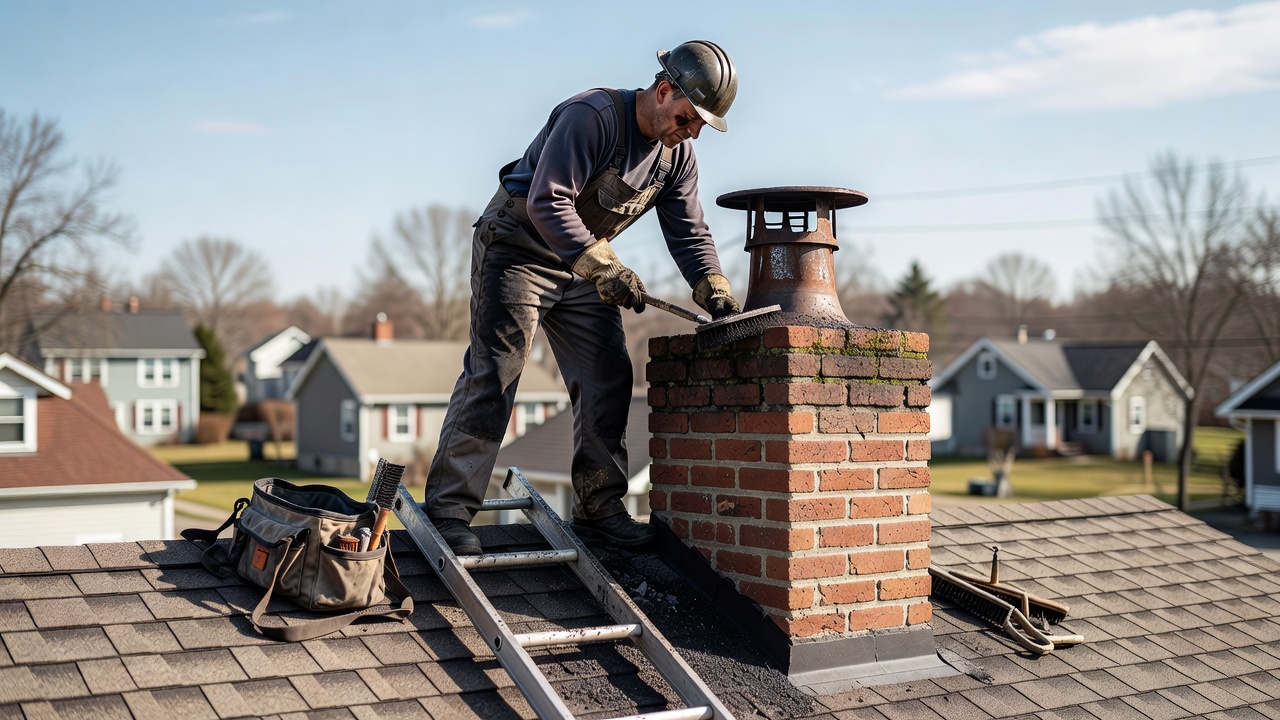
Flue height and access affect labor. A tall chimney or difficult roof configuration can require additional setup, equipment, and labor compared with an easily accessible single-story system. Contractors should explain these charges rather than simply adding unexplained fees.
The number of flues matters. A chimney structure serving multiple appliances or fireplaces may require inspection and cleaning of each applicable flue.
Inspection level affects cost. A Level 1 inspection is different from a Level 2 inspection. A Level 2 inspection is more comprehensive and includes video scanning of the flue interior when required by the circumstances, such as a change in appliance or fuel type, a property transaction, or a suspected chimney fire.
A Level 2 inspection may cost approximately $300 to $450 or more, depending on the system and contractor.
If you recently purchased a home in Millville or Bridgeton and have little or no documentation about the chimney’s history, ask a qualified technician what inspection level is appropriate before using the fireplace.
What Happens If You Keep Skipping It
Skipping routine maintenance does not automatically mean a chimney will fail, but the longer a system goes without professional evaluation, the longer potential problems can remain undiscovered.
For wood-burning systems, continued use can allow creosote deposits to accumulate. Moisture can also contribute to deterioration of masonry, crowns, flashing, and clay-tile liners.
A damaged chimney liner can affect how combustion gases are contained and vented. Because carbon monoxide cannot be seen or smelled, homeowners should not rely on their senses to determine whether a venting system is safe.
Smoke and carbon monoxide alarms are important safety measures, but they do not replace professional chimney inspection and maintenance.
Schedule Before the Rush Hits
If you’re reading this in spring or early summer, you have an excellent opportunity to schedule before fall demand increases.
Vineland Chimney serves Millville, Bridgeton, Vineland, and surrounding Cumberland County communities with chimney inspections and cleaning services.
Contact us for an inspection estimate and find out what your chimney actually needs before the next heating season. Scheduling early gives you more time to address any problems without waiting until the first cold snap.
Related from Vineland Chimney: Chimney Sweep Vineland · Chimney Sweep in Vineland
Our services
Chimney Sweep Vineland · Chimney Inspection in Vineland, NJ · Chimney Repair Services · Chimney Installation Experts · East Vineland, New Jersey Chimney Sweep, Repair & Ins… · Landisville, New Jersey Chimney Sweep, Repair & Inspe…
Areas we serve
Vineland, NJ · Vineland, NJ · Vineland, NJ · Vineland, NJ · Vineland, NJ · Vineland, NJ · All areas →