Your Chimney Is Telling You Something: Are You Listening?
Most Bridgeton homeowners do not think about their chimney until smoke backs up into the living room or a piece of masonry falls onto the walkway. By then, the problem may have been developing for months or even years. A professional chimney inspection can identify problems before they become emergencies. For homeowners in Bridgeton, Vineland, Millville, and surrounding Cumberland County communities, understanding the warning signs can help prevent expensive repairs and keep the chimney ready for the heating season.
What a Chimney Inspection Actually Involves
The Chimney Safety Institute of America (CSIA) and NFPA 211 recognize three levels of chimney inspection. A Level 1 inspection is a visual evaluation of accessible areas and is generally appropriate for a chimney that has been used normally without significant changes. A Level 2 inspection is recommended when a home changes ownership, a heating appliance is changed, or a chimney has experienced an event such as a fire. A Level 3 inspection involves accessing concealed areas when serious damage is suspected.
During an inspection, a qualified technician evaluates components such as the firebox, smoke chamber, flue liner, damper, crown, cap, and exterior masonry. A straightforward inspection can take roughly 45 minutes to an hour, depending on the chimney and what the technician finds.
Warning Signs Your Chimney Needs Attention
White Staining on the Exterior Masonry
White, chalky deposits on the outside of the chimney are known as efflorescence. They occur when water moves through masonry and leaves mineral deposits behind as it evaporates.
Efflorescence can indicate moisture intrusion. In a South Jersey winter, repeated freezing and thawing can make existing masonry damage worse. If the staining is persistent or increasing, a professional should determine where the moisture is coming from.
Pieces of Tile or Ceramic in the Firebox
Finding pieces of orange or terra-cotta-colored material inside the firebox can indicate deterioration of the flue liner. Damaged liner sections should not be ignored because the liner helps contain heat and combustion gases within the chimney.
If you notice pieces of liner material falling into the firebox, stop using the fireplace until the chimney has been professionally evaluated.
A Smoky or Musty Smell
A persistent smoky or musty smell coming from an unused fireplace can have several causes. Creosote buildup, moisture intrusion, or problems with the chimney cap or damper can all contribute to unpleasant odors.
A faint seasonal odor may not indicate an emergency, but persistent or worsening smells deserve professional attention. Older masonry chimneys in Bridgeton and nearby communities can be particularly susceptible to moisture problems as mortar joints deteriorate over time.
Smoke Entering the Room
Smoke that enters the living space instead of moving up the chimney is a serious warning sign. Poor draft can result from a blockage, damaged liner, damper problems, or other issues with the chimney system.
Do not continue using the fireplace if smoke repeatedly enters the room. A professional inspection can determine the cause and identify whether the chimney can be safely used.
Rust on the Damper or Firebox
Rust inside the firebox or on the damper can indicate moisture entering the chimney. A damaged damper may also fail to close properly, allowing conditioned air to escape while creating another pathway for outside moisture.
Light surface rust may not require emergency service, but a damper that is stuck, warped, or unable to seal should be inspected by a professional.
Crumbling or Missing Mortar
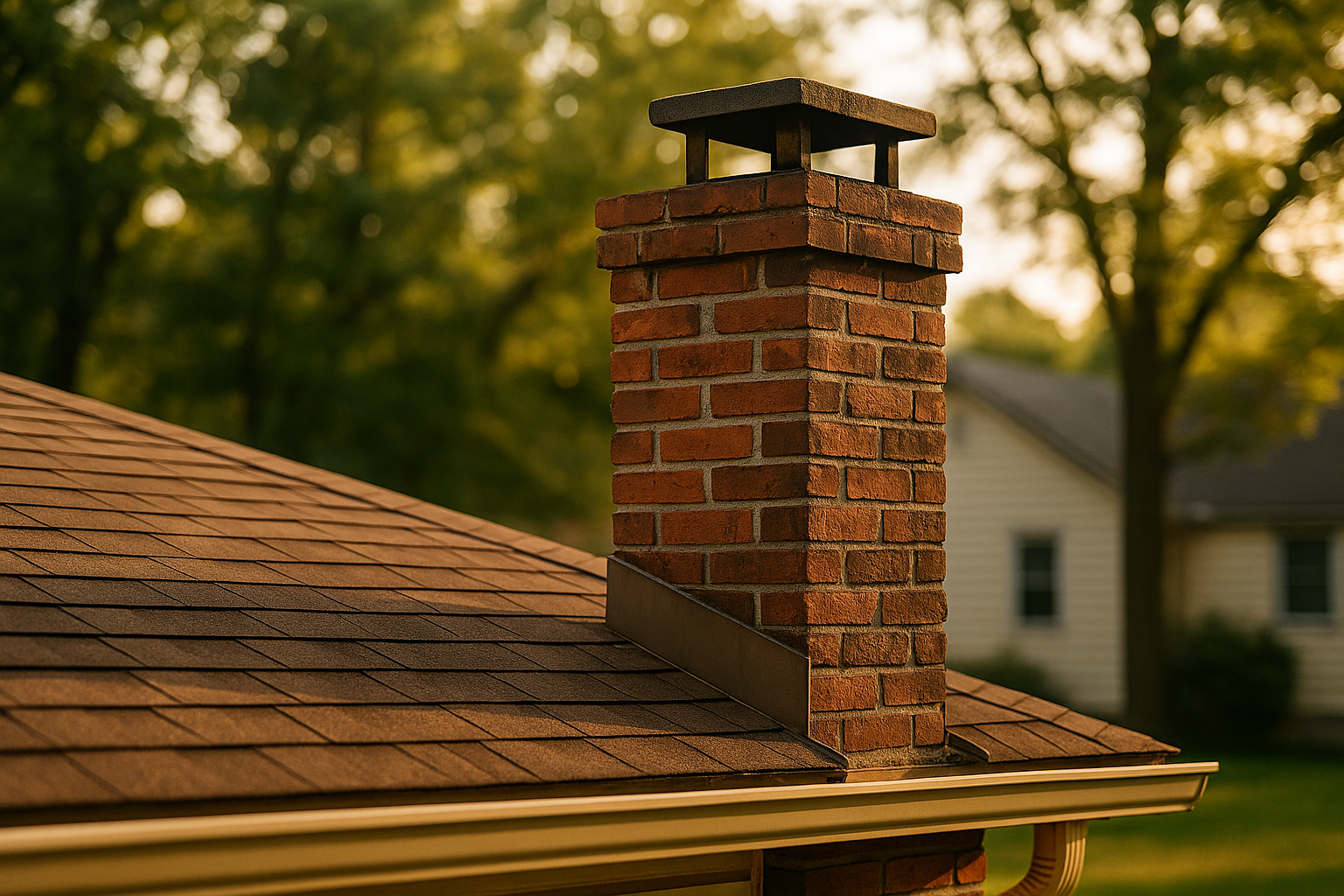
Take a look at the chimney from the ground. Missing mortar joints, visible gaps, or loose bricks can allow water to penetrate the masonry.
Small areas of deterioration may sometimes be addressed as part of routine maintenance. Larger gaps, loose bricks, or significant deterioration should be evaluated before the damage progresses through another winter.
Your Last Inspection Was More Than a Year Ago
If you cannot remember the last time your chimney was inspected, it may be time to schedule one. Regular inspections can identify problems that are not visible from the living room or ground level.
Even a chimney that is used only occasionally can develop issues from weather exposure, moisture, animals, and aging masonry.
How to Choose a Qualified Chimney Inspector
Choosing the right contractor is just as important as recognizing the warning signs. Look for a CSIA Certified Chimney Sweep and ask to see current certification credentials.
Insurance is also important. Ask whether the company carries general liability insurance and workers’ compensation. You can also request a certificate of insurance before work begins.
A professional inspection should result in documentation describing what the technician found. Photos can also be useful when repairs are recommended because they allow you to see the condition of components that are difficult to access yourself.
Be cautious if a contractor recommends an expensive repair after only a few minutes without providing evidence of the problem. A trustworthy company should explain what was found, show supporting documentation when possible, and provide a written estimate before repair work begins.
What Chimney Inspections Cost in Cumberland County
For homeowners in the Vineland and Bridgeton area, a basic Level 1 chimney inspection may cost approximately $100 to $200. A Level 2 inspection with video scanning can range from approximately $200 to $350.
A chimney sweep combined with an inspection may cost around $150 to $250 for a standard single-flue system.
Prices vary based on chimney height, accessibility, buildup, inspection requirements, and the condition of the system. Extremely low advertised prices should be evaluated carefully, especially if the contractor uses the initial appointment to pressure homeowners into expensive repairs.
Frequently Asked Questions About Chimney Inspections in Bridgeton, NJ
1. How much does a chimney inspection cost in Bridgeton, NJ?
A basic Level 1 chimney inspection in the Bridgeton and Vineland area may cost approximately $100 to $200. A Level 2 inspection with video scanning can range from about $200 to $350, depending on the chimney and inspection requirements.
2. What are the signs that my chimney needs an inspection?
Warning signs include white staining on exterior masonry, pieces of flue tile in the firebox, persistent odors, smoke entering the room, rust on the damper, and crumbling mortar. If you cannot remember when your chimney was last inspected, scheduling an evaluation is also a reasonable precaution.
3. What is the difference between a Level 1 and Level 2 chimney inspection?
A Level 1 inspection is a visual evaluation of accessible portions of the chimney and is generally appropriate when the system has been used normally without significant changes. A Level 2 inspection is more comprehensive and includes video scanning of the flue when circumstances such as a property transfer, appliance change, or chimney event warrant a closer evaluation.
4. How long does a chimney inspection take?
A straightforward chimney inspection typically takes about 45 minutes to an hour. The actual appointment can take longer if the chimney is difficult to access or the technician discovers conditions that require additional evaluation.
5. Should I use my fireplace if I find pieces of flue tile in the firebox?
No. Pieces of flue liner material can indicate damage that may affect the chimney’s ability to contain heat and combustion gases. Stop using the fireplace and have the chimney professionally evaluated before lighting another fire.
Schedule Your Chimney Inspection Before the Problem Gets Worse
A chimney problem rarely improves on its own. Water intrusion, damaged masonry, liner deterioration, and heavy creosote can become more expensive when left untreated.
Vineland Chimney serves homeowners throughout Cumberland County, including Bridgeton, Millville, Vineland, and surrounding communities. If you have noticed any of the warning signs above or cannot remember when your chimney was last inspected, schedule an inspection before the next heating season. A professional assessment can give you a clear understanding of your chimney’s condition and help you address small problems before they become major repairs.
Related from Vineland Chimney: Chimney Sweep Vineland · Chimney Sweep in Vineland
Our services
Trusted Chimney Service in Bridgeton, New Jersey · Chimney Sweep in Vineland · Chimney Sweep in Vineland, NJ · Chimney Sweep in Vineland · Chimney Sweep Vineland · Chimney Inspection in Vineland, NJ
Areas we serve
Vineland, NJ · Vineland, NJ · Vineland, NJ · Vineland, NJ · Vineland, NJ · Vineland, NJ · All areas →