Your Chimney Is Telling You Something: Warning Signs Vineland Homeowners Shouldn’t Ignore
Most homeowners in Vineland do not think about their chimney until something goes wrong. That is understandable. A chimney sits above the roof and can be easy to overlook when everything appears to be working normally.
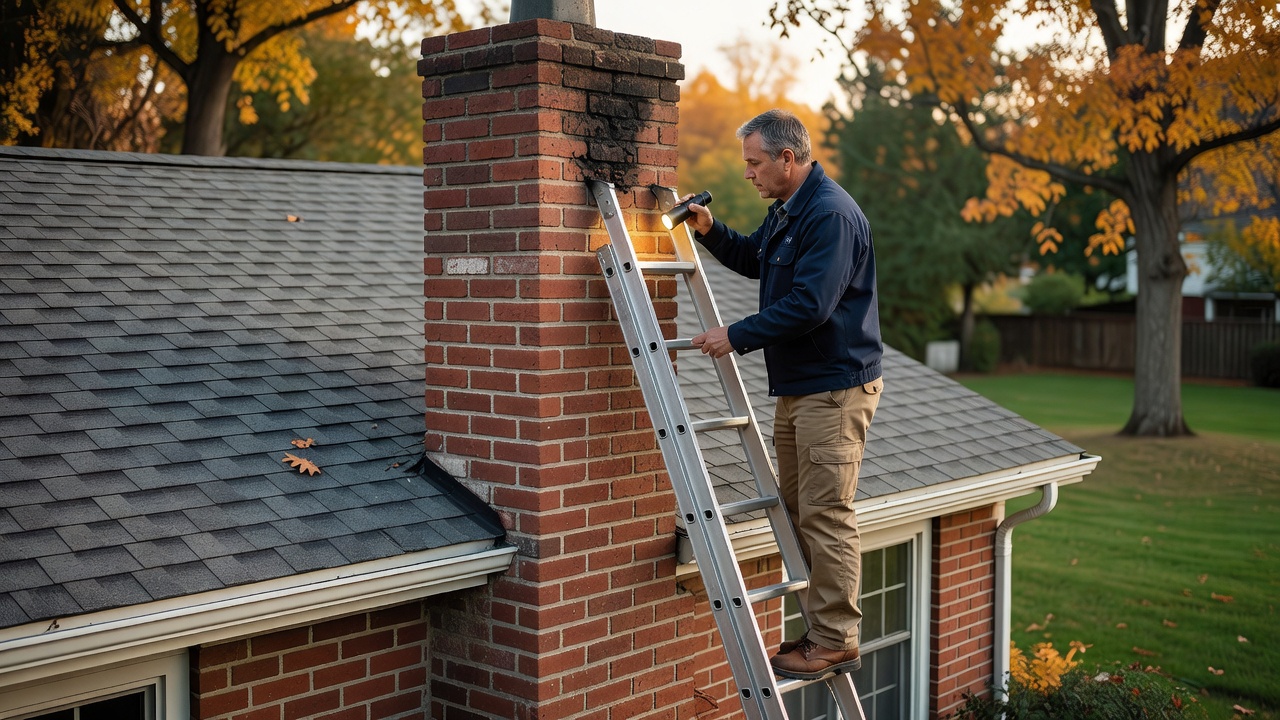
The problem is that chimney issues can develop before there is an obvious emergency. Smoke entering the room, unusual odors, visible masonry deterioration, damaged flue components, or animal activity can all be reasons to have the system evaluated. Regular inspection and maintenance can help identify problems before they become more serious.
The Mistake Many Homeowners Make
One common mistake is treating a chimney cleaning and a chimney inspection as the same service.
They are related, but they serve different purposes.
A cleaning removes soot, creosote, and other deposits when cleaning is necessary. An inspection looks at the condition and safety of the chimney, fireplace, and venting system.
CSIA explains that annual inspection is important because chimneys can develop problems even when they are used infrequently. Animals can enter the flue, deposits can accumulate, and deterioration can occur over time.
NFPA guidance calls for chimneys to be inspected at least annually, with cleaning performed when necessary.
Warning Signs That Should Prompt a Chimney Inspection
1. White Staining on the Exterior Brick
White, chalky deposits on masonry are commonly known as efflorescence.
Efflorescence occurs when moisture moves through masonry and carries soluble salts toward the surface. It is not necessarily an emergency, but recurring or widespread staining can indicate that moisture is entering or moving through the chimney.
A chimney professional can determine whether the problem is limited to surface staining or whether there is an underlying issue involving the crown, flashing, mortar joints, or masonry.
Do not assume that cleaning the white residue will solve the problem. The source of the moisture needs to be identified.
2. A Persistent Smoke or Fireplace Odor
A noticeable fireplace odor when the fireplace is not being used can have several possible causes.
Deposits inside the chimney can contribute to odors. CSIA notes that cleaning chimney deposits can reduce or eliminate chimney odors. Deposits can also contribute to deterioration inside the chimney and can create blockages that interfere with proper venting.
However, odor alone does not prove that excessive creosote is present.
If a strong or unusual odor persists, have the chimney inspected rather than assuming the cause.
3. Smoke Enters the Room When You Light a Fire
Smoke should be venting through the chimney rather than entering the living space.
If smoke repeatedly enters the room, possible causes include a blockage, chimney or flue problems, inadequate draft, or issues with the appliance or venting system.
EPA specifically advises homeowners to stop using a wood-burning appliance if smoke enters the home and have the venting system checked by a qualified professional.
Do not simply open a window and continue burning until you know why the smoke is entering the room.
4. Black or Brown Staining Around the Fireplace
Soot or smoke staining around the fireplace opening can indicate that combustion products are not traveling through the chimney as intended.
The cause could involve draft, the fireplace, the chimney, or the way the system is being operated.
A professional evaluation is preferable to treating the stain as a cosmetic problem.
5. Crumbling Mortar Inside the Firebox
Inspect the firebox only when the fireplace is completely cool and has not been used recently.
Look for missing mortar, significant cracks, damaged firebrick, or other deterioration.
The firebox is exposed to high temperatures, so damaged components should not be ignored. A chimney professional can determine whether the condition requires repair before the fireplace is used again.
Do not attempt to repair significant firebox deterioration with ordinary household mortar or construction materials. Fireplace repairs require materials appropriate for high-temperature applications.
6. A Damper That Is Difficult to Operate
The damper controls airflow through the fireplace and chimney.
A damper that is difficult to open or close, appears corroded, or does not operate correctly should be evaluated.
A malfunctioning damper can affect fireplace operation and airflow. It may also indicate corrosion or another problem that deserves attention before the next heating season.
7. Flue-Tile Fragments in the Firebox
If you discover pieces of clay flue tile in or around the firebox, do not automatically assume that they are harmless debris.
Clay flue liners can deteriorate or crack. A damaged liner can affect the chimney’s ability to safely contain combustion gases and heat.
If you find repeated pieces of flue tile, visible cracks, or other signs of liner deterioration, stop using the fireplace until the chimney has been evaluated.
A more detailed inspection may be appropriate depending on the circumstances.
8. Birds or Animals in the Chimney
Hearing scratching, chirping, or movement inside a chimney should not be ignored.
Birds and other animals can enter open chimneys and create obstructions. Nesting material can also accumulate inside the flue.
However, homeowners should be careful before sealing an occupied chimney.
Chimney swifts are federally protected migratory birds. The U.S. Fish and Wildlife Service explains that chimney swifts commonly nest and roost in masonry chimneys and are protected under the Migratory Bird Treaty Act. Their nests, eggs, and young cannot simply be disturbed or removed without appropriate authorization.
If you hear birds inside the chimney, have the situation evaluated by someone familiar with chimney safety and wildlife protections before installing a cap or blocking the opening.
Signs You Can Monitor, But Shouldn’t Ignore
Not every chimney problem requires emergency service.
Minor surface discoloration, limited exterior staining, or early signs of masonry wear may not mean that the chimney is immediately unsafe. But they should still be documented and evaluated during your next inspection.
The situation changes when you notice:
- Smoke entering the home
- Significant cracks or missing masonry
- Pieces of flue liner
- A suspected obstruction
- Heavy creosote or glaze
- A chimney fire
- Strong or unexplained combustion odors
- A damper that will not operate properly
- Animal activity inside the chimney
These signs deserve prompt professional attention.
How Often Should a Chimney Be Inspected?
There is no need to guess based solely on how often you use your fireplace.
CSIA explains that chimneys should be inspected at least annually. The organization also notes that even chimneys that are not used frequently can develop problems from animal activity or deterioration.
Cleaning frequency is different.
CSIA recommends cleaning masonry fireplaces when sooty buildup reaches approximately 1/8 inch, or sooner if glaze is present. Its homeowner guidance also explains that cleaning frequency depends on factors such as use, fuel, installation, and burning habits.
That means an annual inspection does not necessarily mean an automatic annual cleaning for every chimney.
What Happens During a Chimney Inspection?
The inspection level depends on the condition of the chimney and the circumstances surrounding the inspection.
A Level 1 inspection is generally used when the chimney and appliance are being used as intended and there are no known changes or suspected hazards requiring a more detailed examination.
A more extensive inspection may be recommended when there are suspected problems, changes to the system, or other circumstances that warrant examination beyond readily accessible areas.
Video scanning may be used during a more detailed inspection to evaluate the interior of the flue.
The goal is not simply to tell you whether the chimney is dirty. It is to determine whether the system can continue to be used safely.
Why Chimney Cleaning Matters
Creosote and other deposits can interfere with proper venting and contribute to chimney-fire risk.
CSIA explains that removing chimney deposits helps ensure that the appliance vents properly, helps prevent chimney fires, reduces chimney odors, removes blockages that could allow carbon monoxide gases into the home, and helps prevent deterioration inside the chimney.
How quickly deposits develop varies from one system to another.
Factors include the type of fuel, how frequently the appliance is used, the installation, and burning practices.
For wood-burning systems, EPA recommends using properly seasoned wood and maintaining the appliance and chimney according to appropriate safety guidance.
Don’t Ignore Carbon Monoxide
Carbon monoxide is colorless and odorless, which makes it impossible to detect reliably with your senses.
EPA recommends having fuel-burning appliances, fireplaces, wood stoves, flues, and chimneys inspected by trained professionals and ensuring that flues and chimneys are connected, in good condition, and free of blockages.
EPA also recommends carbon monoxide detectors in appropriate locations throughout the home.
If a carbon monoxide alarm sounds, follow the manufacturer’s safety instructions and leave the home if directed. Have the fuel-burning appliances and chimney evaluated by a qualified professional before using them again.
What Vineland Homeowners Should Look For in a Chimney Sweep
When choosing a chimney professional, do not make price your only consideration.
Ask whether the service includes an inspection in addition to cleaning. You can also ask whether the technician holds relevant professional credentials and whether the company will provide documentation of the work performed.
A qualified professional should be able to explain what they found, identify conditions that require attention, and distinguish between routine maintenance and repairs.
A chimney sweep should be more than someone who simply runs a brush through the flue.
Schedule a Chimney Inspection in Vineland, NJ
Your chimney can provide warning signs before a serious problem develops.
If you see masonry deterioration, notice unusual odors, experience smoke entering the room, find flue-tile fragments, or suspect an obstruction, do not ignore the warning.
Vineland Chimney serves homeowners in Vineland, Millville, Bridgeton, and surrounding Cumberland County communities.
If you are unsure when your chimney was last inspected or cleaned, contact Vineland Chimney to schedule an evaluation. A professional inspection can help identify deposits, obstructions, masonry problems, and other conditions before they become more difficult or expensive to address.
Related from Vineland Chimney: Chimney Sweep in Vineland, NJ — Professional Cleaning & Inspection
Our services
Chimney Sweep in Vineland, NJ · Chimney Sweep in Vineland · Chimney Sweep Vineland · Chimney Inspection in Vineland, NJ · Chimney Repair Services · Chimney Installation Experts
Areas we serve
Vineland, NJ · Vineland, NJ · Vineland, NJ · Vineland, NJ · Vineland, NJ · Vineland, NJ · All areas →