What’s Actually Wrong with Your Chimney and Why Bridgeton Winters Make It Worse
Most chimney problems don’t begin with dramatic warning signs. They develop gradually through changing seasons, moisture intrusion, and years of normal fireplace use until one day the fireplace smells smoky, drafts poorly, or water suddenly appears where it shouldn’t.
For homeowners throughout Bridgeton and Cumberland County, South Jersey’s climate creates ideal conditions for chimney deterioration. Long periods of humidity, heavy seasonal rainfall, and repeated freeze-thaw cycles slowly weaken masonry, chimney liners, and crowns long before damage becomes visible from the ground.
Understanding the most common chimney problems and when to address them can help you avoid significantly more expensive repairs later.
Why Late Summer and Early Fall Are the Best Time for Chimney Service
Timing plays a much larger role in chimney maintenance than many homeowners realize.
September and early October provide ideal conditions for both inspections and repairs.
During this period:
- Masonry materials cure properly.
- Contractors typically have greater scheduling availability.
- Repairs can be completed before freezing temperatures arrive.
- Your fireplace is ready before the heating season begins.
Waiting until late fall often means competing with every other homeowner scheduling service at the same time.
Small issues that could have been repaired during mild weather may become emergency problems once freezing temperatures arrive.
For most homes throughout Bridgeton, Vineland, and Millville, a Level 1 chimney inspection with cleaning generally ranges between $150 and $250, while early masonry repairs often cost far less than rebuilding damaged sections after another winter of water intrusion.
Heavy Creosote Buildup
One of the most common issues we diagnose is excessive creosote accumulation inside the flue.
Warning Signs
Homeowners frequently notice:
- Poor fireplace draft
- Smoky odors
- Sticky black residue above the damper
- Reduced airflow
What Causes It?
Creosote develops naturally during wood burning, but burning green wood or allowing fires to smolder creates much heavier deposits.
Stage 1 creosote is dry and powdery.
Stage 2 becomes thick and tar-like.
Stage 3 hardens into a glazed coating that presents a significant chimney fire risk.
Professional Repair
Light buildup can often be removed during a standard chimney cleaning. Heavier Stage 2 and Stage 3 deposits typically require specialized removal techniques and, in severe situations, chimney liner replacement if excessive heat has already damaged the system.
Prevention
The simplest prevention includes:
- Burn properly seasoned hardwood.
- Avoid slow, smoldering fires.
- Schedule annual chimney inspections and cleanings.
Spalling Brick and Deteriorating Mortar
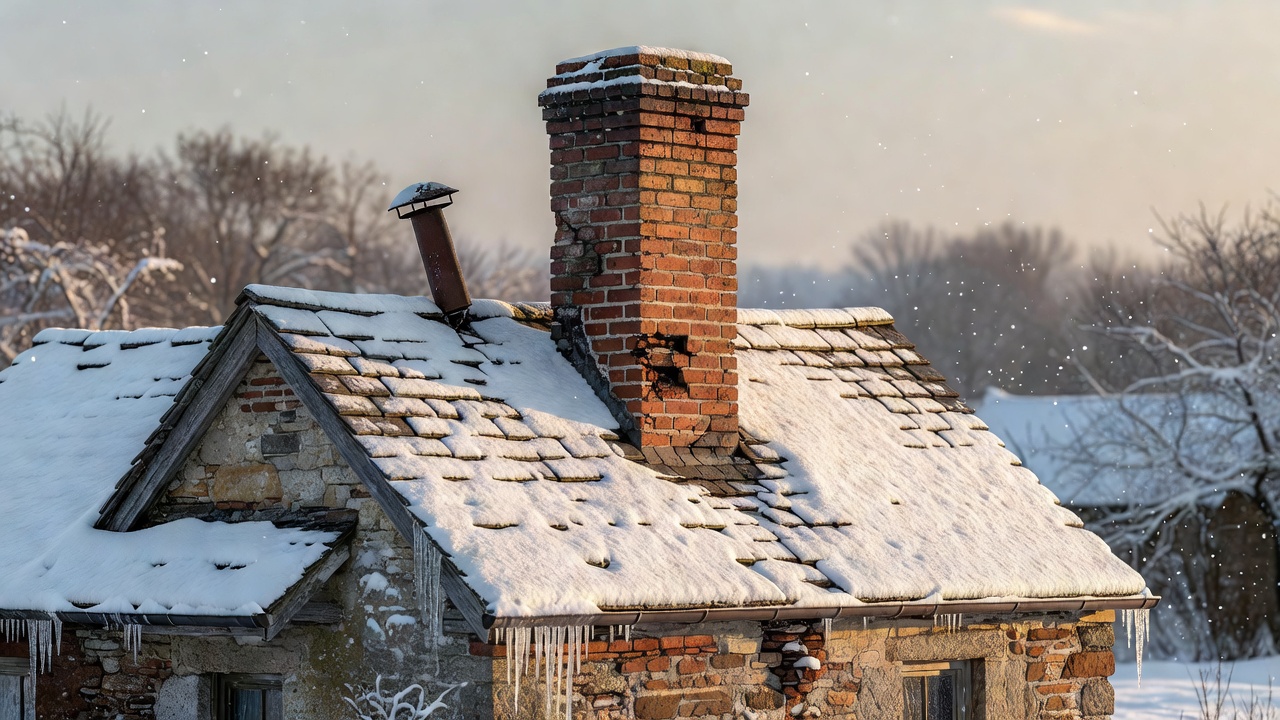
Many Bridgeton homes still have original masonry chimneys that have endured decades of South Jersey weather.
Warning Signs
Watch for:
- Chipped brick faces
- Cracked mortar joints
- Loose masonry
- White staining on exterior brick
What Causes It?
Water enters small openings in the masonry. As temperatures fall below freezing, that moisture expands, gradually breaking apart both mortar and brick. Repeated freeze-thaw cycles accelerate the damage each winter.
Professional Repair
Tuckpointing removes deteriorated mortar before replacing it with properly matched material that restores structural integrity while helping prevent additional water intrusion.
Cracked Chimney Crown
The chimney crown protects the top of the chimney from rain and snow. When it begins failing, water quickly reaches every component below it.
Warning Signs
Common indicators include:
- Visible cracks
- Pieces of concrete breaking away
- Water inside the fireplace
- Efflorescence on masonry
What Causes It?
Improper construction, weather exposure, and repeated freezing gradually weaken the crown. Many older crowns were built using mortar rather than properly reinforced concrete.
Professional Repair
Minor surface cracking may respond well to flexible crown sealants. Significant deterioration generally requires complete crown rebuilding before additional masonry damage occurs.
Damper Problems
The fireplace damper controls airflow when the fireplace is operating and seals the chimney when it is not.
Warning Signs
Homeowners often notice:
- Difficult operation
- Cold drafts
- Smoke entering the room
- Poor fireplace performance
What Causes It?
Years of heating and cooling cycles eventually warp metal dampers. Rust, corrosion, and creosote buildup also contribute to poor operation.
Professional Repair
Depending on the condition, the damper may be cleaned, repaired, or replaced. Many older fireplaces benefit from upgrading to a top-mounted damper that also serves as a weather-resistant chimney cap.
Damaged Chimney Liners
Perhaps the most serious chimney problem is one homeowner cannot see.
Why It Matters
A damaged liner allows excessive heat and combustion gases to escape into surrounding masonry and nearby combustible materials.
Common Causes
Older clay tile liners often develop:
- Cracks
- Offset joints
- Missing sections
- General deterioration
Many older Bridgeton homes still contain original liners that have experienced decades of seasonal expansion and contraction.
Professional Diagnosis
Video camera inspections allow technicians to evaluate the entire flue system without dismantling the chimney. Depending on the damage, repairs may involve localized restoration or complete stainless-steel relining.
Water Inside the Firebox
Water appearing inside the fireplace almost always signals a problem somewhere higher in the chimney.
Possible Sources
Moisture may enter through:
- A cracked chimney crown
- Damaged chimney caps
- Failed flashing
- Cracked liners
- Open masonry joints
Because multiple components can produce nearly identical symptoms, identifying the exact source requires a systematic inspection rather than guesswork.
Why Annual Inspections Save Money
Most major chimney repairs begin as relatively minor maintenance issues.
Routine inspections often identify:
- Early masonry deterioration
- Small crown cracks
- Minor liner damage
- Water intrusion
- Developing creosote buildup
Addressing these issues early typically costs far less than waiting until structural repairs become necessary.
Frequently Asked Questions
How much does a chimney inspection cost in Bridgeton?
Most standard Level 1 chimney inspections with cleaning range between $150 and $250, depending on chimney condition, height, and accessibility.
What is the most common chimney problem?
Creosote buildup, deteriorating mortar joints, damaged chimney crowns, and cracked chimney liners are among the most frequently diagnosed issues in older South Jersey homes.
How often should my chimney be inspected?
Annual chimney inspections are recommended for fireplaces and wood-burning appliances that are regularly used.
Can I inspect my chimney myself?
Homeowners can safely observe exterior masonry, chimney caps, and visible firebox conditions. However, evaluating chimney liners, hidden masonry, and interior flue conditions requires specialized camera equipment.
Why should chimney repairs be completed before winter?
Masonry repairs cure more effectively during mild weather and addressing problems before freezing temperatures arrive helps prevent moisture damage from expanding into more costly structural repairs during the winter months.
Schedule Your Free Chimney Inspection
If your fireplace hasn’t been inspected within the past year or you’ve noticed smoke odors, poor draft, loose masonry, or moisture inside the firebox now is the ideal time to schedule an inspection before colder weather arrives.
Contact Vineland Chimney today to schedule your free chimney inspection before the heating season begins.
Our services
Somers Point, New Jersey Chimney Services · Woodbury, New Jersey Chimney Services · Lindenwold, New Jersey Chimney Services · Pine Hill, New Jersey Chimney Services · Chimney Cleaning & Repair Services in Pitman, New Jersey · Chimney Cleaning & Repair Services in Hammonton, New …
Areas we serve
Vineland, NJ · Vineland, NJ · Vineland, NJ · Vineland, NJ · Vineland, NJ · Vineland, NJ · All areas →