What Chimney Cleaning Actually Costs in Vineland and Newfield, NJ and What You Can Skip Paying For
If you’ve called around for chimney cleaning in Vineland or Newfield, you’ve probably received estimates that range from under $100 to well over $300. At first glance, those prices can be confusing, especially when every company appears to be offering the same service.
The reality is that chimney cleaning costs depend on the condition of your chimney, the type of fireplace you have, and what’s actually included in the appointment. Understanding those differences helps you avoid paying for unnecessary services while making sure you don’t skip maintenance that protects your home.
Here’s what homeowners throughout Cumberland County should know before scheduling a chimney cleaning.
What Determines the Cost of Chimney Cleaning?
For most wood-burning fireplaces in Vineland, Newfield, Millville, and Bridgeton, a standard chimney sweep combined with a Level 1 inspection generally costs between $175 and $275.
That price reflects a routine annual cleaning performed on a chimney that’s been properly maintained. Several factors can increase the overall cost.
Creosote Buildup
The amount of creosote inside the flue is the biggest factor affecting price.
Light Stage 1 creosote brushes away quickly and usually requires only standard equipment.
Stage 2 deposits are thicker and more difficult to remove, while Stage 3 creosote forms a hardened glaze that often requires specialized chemical treatment and mechanical cleaning. If you regularly burn unseasoned firewood or allow fires to smolder for long periods, creosote builds much faster and cleaning becomes more labor intensive.
Time Since the Last Cleaning
A chimney cleaned every year is typically straightforward to service. If it has gone four or five years without maintenance, the technician may spend considerably longer removing accumulated deposits and inspecting hidden areas.
Chimney Height and Roof Access
Steeper roofs and taller chimneys require additional setup, safety equipment, and labor. Many older homes throughout Cumberland County have rooflines that naturally increase the complexity of the job.
Level 2 Inspections
If you’ve recently purchased your home, experienced a chimney fire, switched heating appliances, or visible concerns are discovered during the initial inspection, a Level 2 inspection may be recommended. This inspection includes video scanning of the flue liner and generally adds $100 to $200 to the overall service.
Flue Liner Condition
Cleaning and repairs are separate services. If the inspection reveals a cracked or deteriorated flue liner, repairs may begin around $1,000 for a stainless-steel liner installation and increase depending on chimney height and configuration.
What Homeowners Can Safely Do Themselves
Not every aspect of chimney maintenance requires professional service. There are several routine tasks homeowners can safely perform between annual inspections.
Clean Out the Firebox
Once ashes have cooled for at least 72 hours, remove them using a metal shovel and store them in a covered metal container until completely cold. Regular ash removal helps improve airflow and keeps the firebox clean.
Check the Damper
Open and close the damper to confirm it moves freely. If it sticks, doesn’t seal properly, or appears heavily rusted, make a note so your chimney technician can inspect it during your appointment.
Perform a Basic Visual Inspection
Using a flashlight, inspect the firebrick, mortar joints, and visible areas inside the firebox. Look for loose bricks, cracked mortar, or obvious damage. While this won’t reveal hidden flue problems, it can help identify issues worth mentioning during the inspection.
Inspect the Chimney Cap from the Ground
A pair of binoculars is usually enough to determine whether your chimney cap is missing, damaged, or visibly clogged with debris. A properly installed cap helps prevent rain, nesting animals, and leaves from entering the chimney.
Keep Maintenance Records
Recording when your chimney was last cleaned, how frequently you burn wood, and what type of firewood you use gives your chimney sweep valuable information that can improve both the inspection and maintenance recommendations.
What You Should Leave to a Professional
Some chimney work requires specialized equipment and should never be treated as a DIY project.
Cleaning the Flue
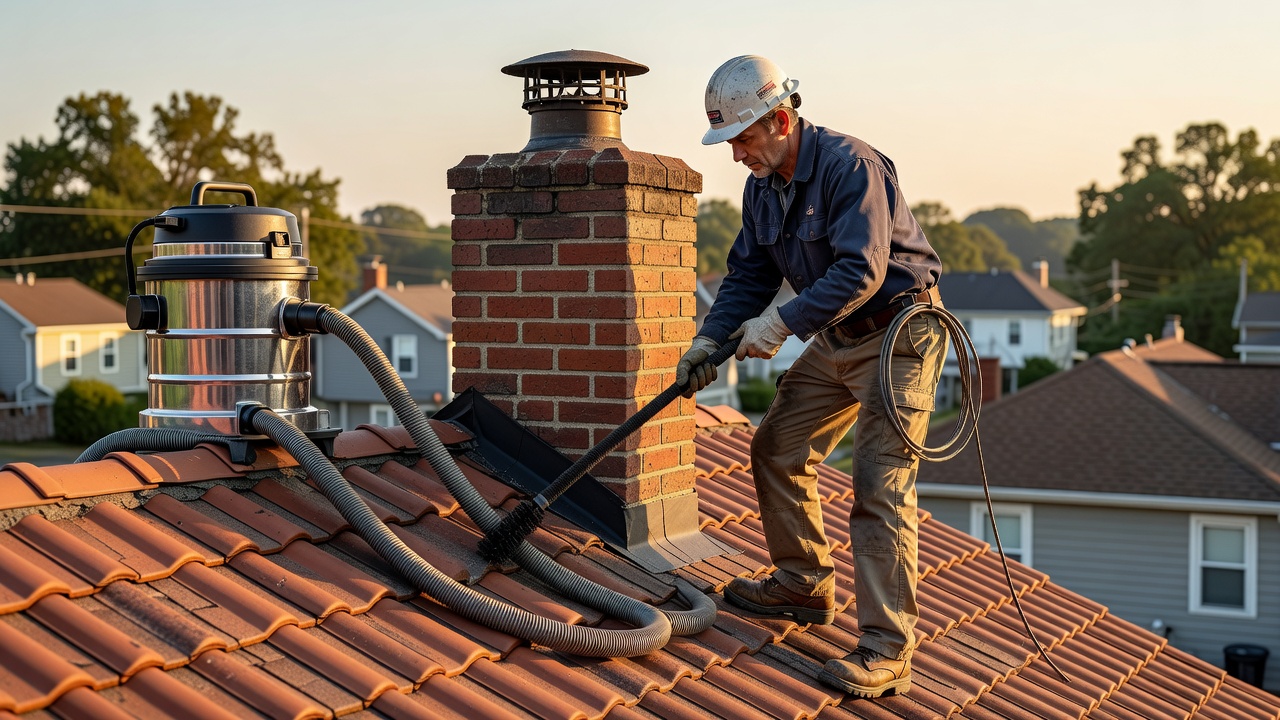
The inside of the flue cannot be properly evaluated with a flashlight from the fireplace opening. Professional chimney sweeps use brushes sized specifically for your liner, commercial vacuum systems that contain soot and creosote dust, and specialized equipment capable of removing heavier deposits safely. A chimney that appears clean from below may still contain dangerous creosote higher inside the flue.
Removing Heavy Creosote
Stage 2 and Stage 3 creosote require techniques beyond standard brushing. Attempting to remove these deposits without the proper equipment may leave hazardous buildup behind or damage the chimney liner.
Flue Liner Inspections
Hairline cracks, deteriorated mortar joints, and damaged flue tiles are often impossible to detect without a camera inspection. These hidden defects can allow excessive heat or combustion gases to escape into surrounding walls.
Structural Repairs
Repairs involving the chimney crown, flashing, masonry, smoke chamber, or flue liner require professional expertise to ensure the chimney remains safe and code compliant.
Why DIY Has Its Limits
A chimney fire can exceed 2,000°F, placing enormous stress on the flue liner and surrounding masonry.
Even homeowners who regularly brush their own chimneys sometimes miss dangerous creosote deposits hidden higher inside the flue or within the smoke chamber. Professional inspections are designed to identify these hidden hazards before they become expensive or dangerous.
If you’re planning to sell your home, professional inspection records also provide documentation that buyers and home inspectors often request.
What a Fair Quote Should Include
A reputable chimney company should provide an itemized estimate that clearly explains what you’re paying for.
A quality estimate should identify:
- Chimney sweeping
- Inspection level included
- Number of flues being serviced
- Additional charges, if any
- Any recommendations supported by inspection findings
Be cautious of companies offering extremely low promotional pricing without explaining what the service actually includes. Likewise, avoid contractors who recommend expensive repairs before completing a proper inspection.
Schedule Before Heating Season Begins
The best time to schedule chimney cleaning is before colder weather arrives. Booking in late summer or early fall provides greater appointment availability and gives you time to address any repairs before your fireplace goes back into regular use.
Vineland Chimney proudly serves homeowners throughout Vineland, Newfield, Millville, Bridgeton, and surrounding Cumberland County communities. Our CSIA-certified technicians provide thorough chimney cleanings, detailed inspections, and honest recommendations based on the actual condition of your chimney not unnecessary upsells.
Contact us today to schedule your free inspection consultation and prepare your chimney for a safe heating season.
Our services
Chimney Inspection in Vineland, NJ · Chimney Repair Services · Chimney Installation Experts · East Vineland, New Jersey Chimney Sweep, Repair & Ins… · Landisville, New Jersey Chimney Sweep, Repair & Inspe… · Buena, New Jersey Chimney Sweep, Repair & Inspection …
Areas we serve
Vineland, NJ · Vineland, NJ · Vineland, NJ · Vineland, NJ · Vineland, NJ · Vineland, NJ · All areas →