Published October 28, 2026
How to Find a CSIA-Certified Chimney Sweep in Cumberland County, NJ
Finding a qualified chimney sweep in Cumberland County, New Jersey, starts with knowing which credentials to verify and what a professional inspection should include. Look for relevant chimney qualifications, appropriate insurance, and a written estimate before authorizing work. If repairs are needed, also check whether the contractor has the registration required for residential home improvement work in New Jersey.
Whether you live in Vineland, Millville, Bridgeton, or a nearby community, understanding chimney safety and inspection standards can help you compare service providers and make informed decisions about your fireplace.
Why Certification Matters More Than a Low Price
When comparing chimney sweep services, price is only one consideration. A professional needs to understand chimney construction, combustion, venting, creosote deposits, and common safety hazards.
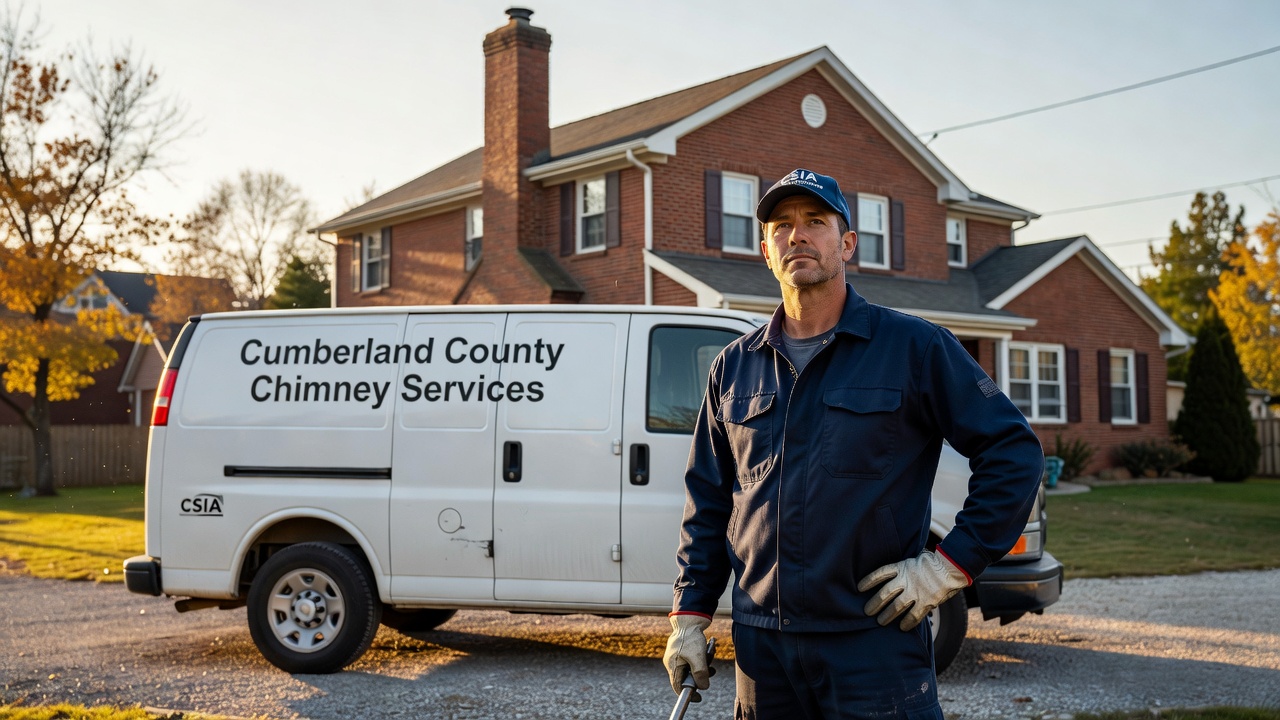
The Chimney Safety Institute of America (CSIA) offers a Certified Chimney Sweep credential that demonstrates knowledge of chimney and venting system maintenance and inspection. Another credential to ask about is certification through the National Fireplace Institute (NFI), particularly when the work involves specific hearth appliances.
New Jersey has a home improvement contractor registration system for businesses performing covered residential repair and improvement work. Although chimney sweeping and repair are different services, contractors performing covered chimney repair work may need to meet state registration requirements. Homeowners can verify applicable registration through the New Jersey Division of Consumer Affairs.
Creosote is another reason to choose a qualified professional. This combustible residue forms when wood smoke condenses inside a chimney or venting system. Deposits can range from soft, flaky material to a hard, shiny, tar-like glaze. Glazed creosote is particularly difficult to remove and can provide substantial fuel for a chimney fire.
A qualified sweep should be able to describe the deposits found, explain the cleaning method being recommended, and identify any conditions that require further evaluation.
Warning Signs Your Chimney Needs Attention
Knowing what to look for can help you decide when to schedule an inspection and when to stop using your fireplace until a professional has assessed it.
A Persistent Smoke or Creosote Odor Indoors
A strong smoky or tar-like smell inside the house, particularly when the fireplace is not being used, can indicate moisture affecting deposits, a draft problem, or another chimney issue. Air pressure differences inside the home can also contribute to odors moving down the flue.
The smell alone cannot establish the cause or confirm that carbon monoxide is entering the house.
What to do: Arrange an inspection if the odor persists or returns repeatedly. If smoke enters the room while the fireplace is operating, stop using it until the problem has been assessed. If a carbon monoxide alarm sounds, leave the building and contact emergency services.
White Staining on the Exterior Masonry
White, powdery deposits on brick are commonly called efflorescence. They form when moisture moves through masonry and leaves dissolved salts behind as the water evaporates.
Efflorescence is not necessarily structural damage, but recurring staining can indicate moisture movement. It deserves closer attention if you also notice cracked mortar, loose bricks, or flaking masonry.
What to do: Have the chimney assessed if staining persists or appears alongside other signs of deterioration. A professional can investigate the likely source of moisture and determine whether masonry repairs are needed.
Cracked Mortar Joints or Spalling Bricks
Mortar deterioration can allow water to enter the chimney structure. Spalling occurs when the face of a brick flakes off or breaks away, sometimes because of moisture exposure and repeated freezing and thawing.
Small areas of deterioration may be repairable, but widespread damage or loose masonry can require more extensive work.
What to do: Arrange an inspection if mortar is missing, bricks are breaking apart, or sections of masonry appear loose. The repair may involve repointing, replacing damaged bricks, correcting water entry, or completing other masonry work.
A Damper That Is Difficult to Operate
A damper should open and close as intended. If it sticks, is heavily corroded, or no longer seals properly, the problem may involve corrosion, debris, or damaged components.
A malfunctioning damper can interfere with fireplace operation and allow unwanted drafts when the fireplace is not in use.
What to do: Have the damper inspected and repaired or replaced if necessary. Do not force a stuck mechanism, and do not use the fireplace if the damper cannot open properly for safe operation.
Dark Staining Around the Fireplace Opening
Dark staining around the firebox or on the surrounding masonry can indicate smoke spillage, poor draft, or another venting issue. Possible causes include a blocked flue, inadequate air supply, chimney design problems, or liner damage.
Staining alone does not identify which problem is responsible.
What to do: Arrange an inspection if staining is new, worsening, or accompanied by smoke entering the room. Stop using the fireplace if it is not venting properly until the cause has been identified.
Pieces of Clay Tile or Other Debris in the Firebox
Fragments of clay tile in the firebox can indicate that a masonry flue liner is deteriorating. Other debris may come from the chimney cap, masonry, or an animal nest.
A damaged liner can compromise the chimney’s ability to contain combustion gases and protect surrounding building materials from heat.
What to do: Stop using the fireplace if you suspect liner damage and arrange a professional assessment. A Level 2 inspection, including a video scan of the flue interior when feasible, may be appropriate to establish the extent of the problem.
Rust on the Damper or Other Fireplace Components
Rust can indicate moisture exposure, but it does not establish how long water has been entering or whether the liner is damaged.
The source may be a defective chimney cap, crown, flashing, or another part of the system.
What to do: Have significant corrosion or a malfunctioning component assessed. The professional should also investigate possible moisture entry and recommend repairs based on the actual findings.
Animals or Animal Sounds in the Chimney
Birds, squirrels, raccoons, and other animals may enter an uncapped or damaged chimney. Nesting material can obstruct the flue, and debris may remain even after animals leave.
Some birds, including chimney swifts, are protected under federal migratory bird law. Rules can restrict disturbing protected birds, nests, eggs, or young, so removal should not be attempted without determining the applicable requirements.
What to do: Do not light a fire or attempt to remove a nest yourself. Contact a qualified wildlife professional or appropriate wildlife authority to determine the lawful next steps. Before resuming fireplace use, have the chimney checked for obstructions and damage.
How to Evaluate a Chimney Contractor in Cumberland County
Before hiring a chimney sweep, ask a few questions about credentials, insurance, inspection procedures, and pricing.
Verify chimney credentials. Ask whether the technician holds current CSIA certification or another relevant qualification. You can use the CSIA certified professional directory to help verify credentials.
Check insurance. Ask for proof of appropriate general liability insurance. Confirm whether the company has workers’ compensation coverage where required. These protections help clarify how workplace injuries or property damage are handled.
Verify contractor registration for repair work. For covered residential chimney repair and improvement projects, check whether the business has the registration required by New Jersey. The state’s Home Improvement Contractor portal provides registration information and contractor verification resources.
Ask which inspection level is being performed. A Level 1 inspection is generally appropriate when the chimney and connected appliance remain in their existing configuration and there are no known circumstances requiring a more detailed examination. A Level 2 inspection is commonly appropriate when a property changes hands, a chimney fire or potentially damaging event occurs, the appliance or fuel type changes, or a Level 1 inspection is insufficient. A Level 3 inspection may be necessary when concealed areas must be accessed to investigate a suspected serious hazard.
Request a written estimate and report. Ask what the inspection includes, whether cleaning is a separate charge, and whether photographs or video documentation will be provided when appropriate.
Be cautious if a contractor pressures you to approve major repairs without explaining the findings or providing supporting evidence. If extensive work is recommended, you can request a second opinion before proceeding.
What Affects Chimney Service Costs?
There is no single price that applies to every chimney in Cumberland County. The total depends on the chimney’s height, number of flues, accessibility, amount and type of deposits, and the services included.
A routine cleaning and inspection will generally involve a different scope of work from a detailed camera inspection or structural repair.
Additional charges may apply for:
-
Heavy or glazed creosote removal
-
Video inspection of the flue
-
Multiple flues or connected appliances
-
Chimney cap or damper replacement
-
Masonry and mortar repairs
-
Flue liner repair or replacement
-
More extensive investigation of concealed damage
Ask for an itemized estimate that separates routine service from recommended repairs. This helps you understand what you are paying for and compare quotes from different providers.
Schedule a Chimney Inspection in Cumberland County
Annual inspections can help identify creosote accumulation, blockages, moisture damage, and other problems that may not be visible from the fireplace opening. The CSIA recommends having chimneys inspected at least once a year, with cleaning and repairs performed when necessary.
Vineland Chimney is named as the service provider for Vineland, Millville, Bridgeton, and surrounding Cumberland County communities in this article. Contact the company to confirm its service area, credentials, inspection options, and current pricing.
Before booking, verify whether the inspection is free and what it includes. Ask for written findings and a clear estimate before approving additional work. A properly documented inspection helps you understand the condition of your chimney and determine what needs attention before your next fire.
Related from Vineland Chimney: Chimney Sweep in Vineland, NJ — Professional Cleaning & Inspection · Chimney Sweep in Vineland — Ready Before the First Cold Night Hits · Chimney Sweep in Millville, NJ
Our services
Chimney Sweep in Vineland · Chimney Sweep in Vineland, NJ · Chimney Sweep in Vineland · Chimney Sweep Vineland · Chimney Inspection in Vineland, NJ · Chimney Repair Services
Areas we serve
Vineland, NJ · Vineland, NJ · Vineland, NJ · Vineland, NJ · Vineland, NJ · Vineland, NJ · All areas →