A chimney is one of the most exposed parts of a home. Year after year, it faces rain, snow, heat, wind, and temperature swings often with little attention until something goes wrong. Cracks, leaks, and structural damage are among the most common chimney problems homeowners face, and they rarely fix themselves. Left untreated, even small issues can grow into costly repairs or serious safety concerns.
This guide explains the most common chimney problems, what causes them, and how a professional chimney repair service helps protect your home, your heating system, and your family.
Understanding Common Chimney Problems
Chimney Cracks
Cracks are often the first visible sign of chimney damage. They usually develop due to age, moisture intrusion, or freeze-thaw cycles that cause masonry materials to expand and contract.
Hairline cracks may seem harmless, but they can allow water to seep into the chimney structure. Over time, moisture weakens mortar joints, accelerates brick deterioration, and may damage interior flue components. Wider or stair-step cracks can signal more serious structural issues that require prompt professional evaluation.
Chimney Leaks
Chimney leaks are one of the most damaging and most misunderstood chimney problems. Water can enter through several vulnerable areas, including cracked crowns, damaged flashing, deteriorated mortar joints, or missing chimney caps.
Signs of a leaking chimney may include water stains on walls or ceilings near the fireplace, rusted firebox components, musty odors, or visible white staining (efflorescence) on the exterior bricks. Moisture is particularly destructive because it affects both the chimney and surrounding parts of the home.
Structural Chimney Damage
Structural damage goes beyond surface cracks or minor leaks. This can include leaning chimneys, bulging masonry, severe spalling (flaking or crumbling bricks), or failing mortar joints that compromise stability.
Structural chimney damage is often caused by prolonged water exposure, foundation movement, or years of deferred maintenance. In these cases, professional chimney repair is not optional, it’s essential for safety.
How a Professional Chimney Repair Service Diagnoses Problems
A reliable chimney repair service doesn’t rely on guesswork. Trained technicians perform thorough inspections to identify both visible damage and hidden issues inside the chimney system.
Inspections typically include:
- Visual assessment of masonry, crown, and flashing
- Evaluation of mortar joints and brick condition
- Inspection of the flue liner and internal components
- Identification of moisture damage or structural movement
Early diagnosis allows repairs to be targeted and cost-effective, preventing minor issues from turning into major restoration projects.
Chimney Repair Solutions for Cracks, Leaks, and Structural Issues
Crack Repair Methods
Not all cracks require rebuilding. Depending on severity, repairs may include:
- Tuckpointing, where deteriorated mortar is removed and replaced
- Crown repair or replacement to seal the top of the chimney
- Masonry sealing to reduce moisture absorption
These methods restore strength while preserving the chimney’s original structure.
Leak Repair Services
Stopping water intrusion is one of the most important goals of chimney repair. Solutions often include:
- Flashing repair or replacement to seal the chimney-roof intersection
- Chimney crown sealing or rebuilding
- Installation of chimney caps to block rain and debris
- Application of breathable waterproofing products
Addressing leaks promptly prevents long-term damage to both the chimney and the home.
Structural Chimney Repairs
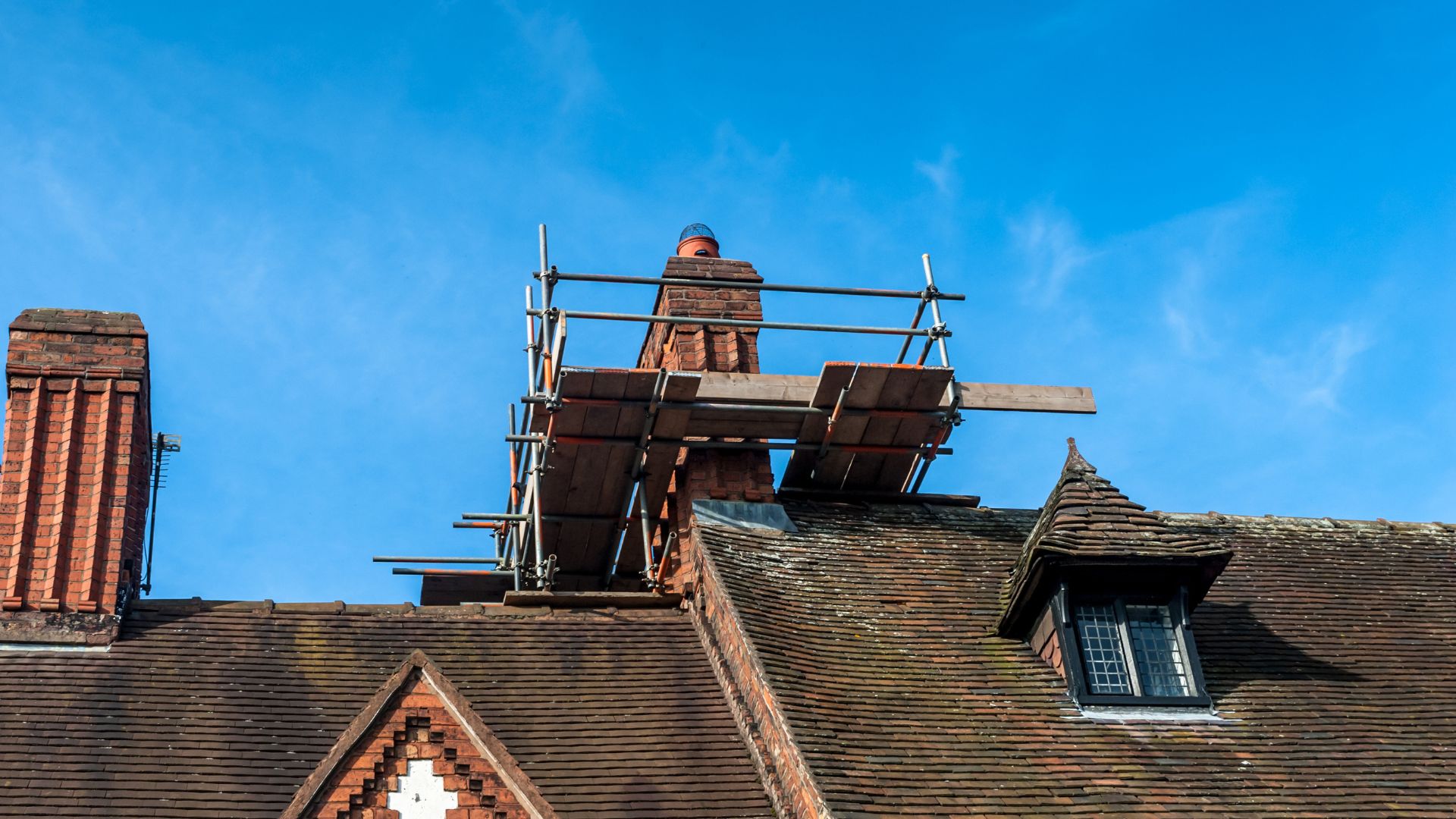
When damage affects stability, more extensive repairs may be required. These can include partial or full chimney rebuilding, reinforcement of weakened sections, or chimney relining when internal damage compromises performance.
At this stage, working with experienced professionals is critical. A trusted company like Vineland Chimney can evaluate whether stabilization, rebuilding, or relining is the safest and most cost-effective solution for your home.
Why Timely Chimney Repair Matters
Delaying chimney repairs often leads to higher costs and increased risk. Cracks and leaks can allow heat, smoke, or combustion gases to escape where they shouldn’t. Structural damage may worsen under heavy weather or seasonal temperature changes.
Timely chimney repair helps:
- Reduce fire and ventilation hazards
- Prevent water damage to walls, ceilings, and framing
- Extend the life of the chimney system
- Preserve property value and home integrity
Routine maintenance and early repairs are far less disruptive and far less expensive than emergency restoration.
How Often Should You Schedule a Chimney Inspection?
Most professionals recommend a chimney inspection at least once a year, even if the fireplace or heating appliance is used infrequently. Additional inspections are wise after major storms, earthquakes, or visible changes in chimney appearance.
Seasonal inspections, especially before winter, help ensure the chimney is ready for safe operation when heating demand increases.
Frequently Asked Questions About Chimney Repair Service
1. How much does chimney repair usually cost?
Costs vary based on the type and extent of damage. Minor repairs such as tuckpointing or sealing are generally more affordable, while structural repairs or rebuilding require a larger investment.
2. Can small chimney cracks be repaired without rebuilding?
Yes. Many cracks can be repaired using targeted masonry techniques if addressed early.
3. How long does chimney repair take?
Minor repairs may take a few hours, while more extensive structural work can take several days depending on weather and complexity.
4. Is chimney waterproofing necessary?
Waterproofing helps reduce moisture absorption and slows future deterioration, especially in exposed masonry chimneys.
5. Can chimney damage affect home insurance?
Unaddressed damage may complicate insurance claims if it leads to preventable loss. Regular inspections and documented maintenance are beneficial.
Conclusion
Cracks, leaks, and structural damage are common chimney problems, but they don’t have to become major headaches. With proper inspection, timely repairs, and professional care, a chimney can remain safe, functional, and durable for decades.
If your chimney shows signs of wear or water damage, working with experienced professionals such as Vineland Chimney ensures the issue is addressed correctly the first time. A dependable chimney repair service not only protects your heating system it helps safeguard your entire home.
Our services
East Vineland, New Jersey Chimney Sweep, Repair & Ins… · Landisville, New Jersey Chimney Sweep, Repair & Inspe… · Buena, New Jersey Chimney Sweep, Repair & Inspection … · Audubon, New Jersey Chimney Sweep, Repair & Inspectio… · Ocean City, New Jersey Chimney Sweep, Repair & Inspec… · Haddonfield, New Jersey Chimney Services
Areas we serve
Vineland, NJ · Vineland, NJ · Vineland, NJ · Vineland, NJ · Vineland, NJ · Vineland, NJ · All areas →