What Your Annual Chimney Inspection in Cumberland County Is Actually Telling You
Most homeowners in Vineland schedule a chimney inspection because a neighbor recommended it or because they recently purchased a home and wanted to be responsible.
That’s a smart decision.
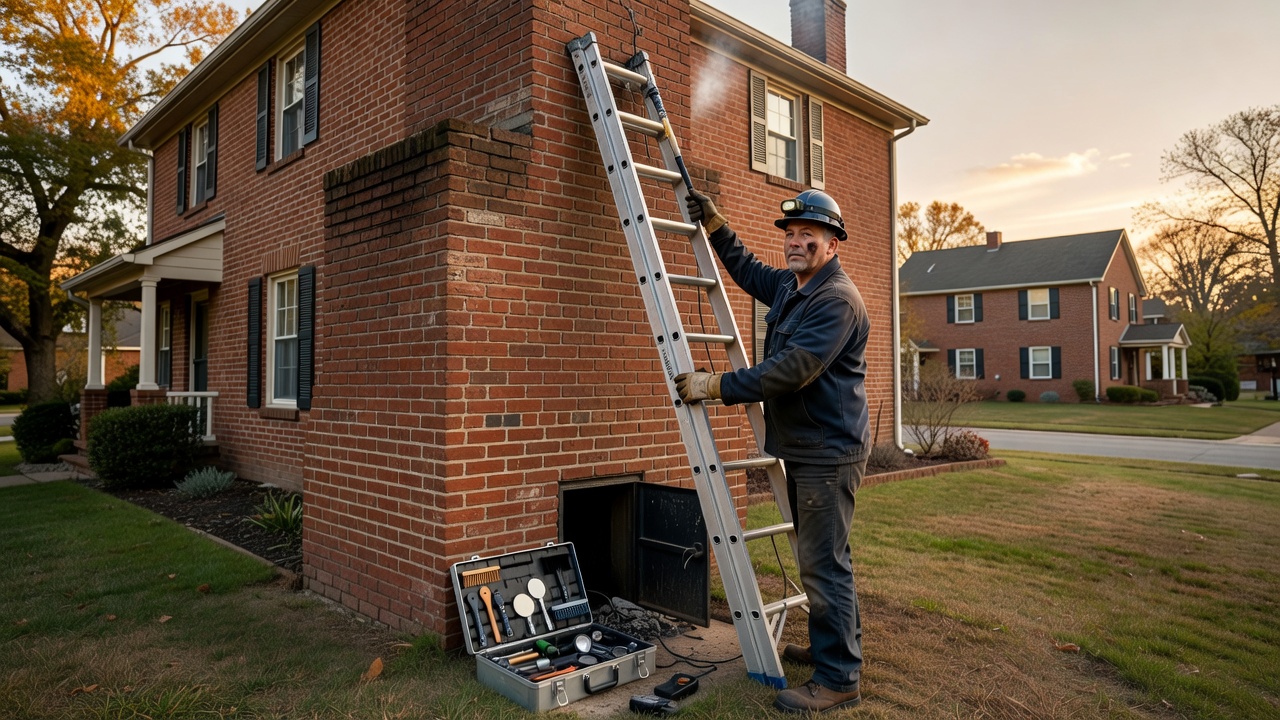
However, the inspection is only valuable if you understand what the technician is actually evaluating—and how small maintenance issues can become expensive repairs when they’re ignored.
According to NFPA 211, every chimney serving a fireplace or heating appliance should be inspected annually.
The Chimney Safety Institute of America (CSIA) makes the same recommendation.
For homeowners throughout Vineland, Millville, Bridgeton, and the surrounding Cumberland County communities, the ideal inspection window is late summer through early fall, before the first fire of the heating season.
Here’s what chimney professionals commonly find, how they diagnose these issues, and the homeowner mistakes that often turn routine maintenance into costly repairs.
Skipping an Inspection After a Quiet Burning Season
Many homeowners assume that because they rarely used the fireplace, there’s little reason to schedule an inspection.
Unfortunately, chimney deterioration continues whether the fireplace is used or not.
Moisture remains the biggest threat.
Rain, humidity, and New Jersey’s freeze-thaw cycles gradually damage chimney crowns, mortar joints, masonry, and clay flue tiles throughout the year.
During an inspection, technicians evaluate:
- Spalling brick
- Cracked mortar joints
- Chimney crown deterioration
- Water intrusion
- Animal nests and debris inside the flue
Birds such as chimney swifts and starlings commonly nest in chimneys throughout Vineland, and even a partially blocked flue can interfere with proper draft and increase the risk of dangerous backdrafting.
The Professional Solution
Most issues can be corrected with:
- A Level 1 chimney inspection
- Professional debris removal
- Minor masonry repairs when needed
Installing a stainless steel chimney cap with a bird guard is one of the simplest ways to prevent recurring problems.
Typical installation costs range from $150 to $300, while repairing water-damaged chimney liners can easily begin around $1,500.
Assuming Creosote Is Only a Problem for Heavy Fireplace Use
Many homeowners believe frequent fireplace use automatically produces more creosote.
In reality, how the fire burns is often more important than how often it’s used.
Slow-burning fires with restricted airflow create significantly more creosote than hotter, cleaner-burning fires.
Even occasional low-temperature fires can produce dangerous Stage Three glazed creosote.
During an inspection, technicians evaluate the color, texture, and thickness of creosote deposits.
Generally:
- Stage One: Light gray or tan, dry deposits
- Stage Two: Darker, flaky buildup
- Stage Three: Hard, shiny, tar-like glazing
Once creosote reaches the third stage, standard chimney brushing is no longer sufficient.
Chemical treatments and specialized cleaning equipment become necessary.
Prevention
Help minimize creosote buildup by:
- Burning properly seasoned hardwood such as oak, ash, or hickory
- Keeping the damper fully open during fireplace use
- Avoiding long, smoldering fires with restricted airflow
Using the Fireplace After a Chimney Fire Without an Inspection
This is one of the most serious mistakes homeowners can make.
Not every chimney fire is dramatic.
Many occur quietly, producing only unusual odors, muffled crackling sounds, or subtle changes in fireplace performance.
Even relatively small chimney fires can damage:
- Clay flue liners
- Metal chimney systems
- Mortar joints
- Chimney masonry
Continuing to use the fireplace after a suspected chimney fire can allow heat and combustion gases to reach combustible framing.
According to NFPA 211, any suspected chimney fire requires a Level 2 chimney inspection.
That inspection includes a complete camera evaluation of the chimney liner.
Throughout South Jersey, Level 2 inspections generally cost between $200 and $350.
If damage is discovered, installing a stainless steel chimney liner commonly begins around $2,500, depending on chimney size and configuration.
Repairing Mortar Without Fixing the Water Problem
Many homeowners attempt to repair deteriorated mortar themselves using pre-mixed fireplace mortar purchased at a hardware store.
While the repair may temporarily improve appearance, it rarely addresses the underlying problem.
Mortar usually deteriorates because water continues entering the chimney system.
Common sources include:
- Cracked chimney crowns
- Failed flashing
- Missing chimney caps
- Deteriorated masonry
Without correcting the source of the moisture, repaired mortar often fails again within a few years.
The Professional Solution
A qualified technician evaluates the entire chimney system before recommending repairs.
Proper restoration may include:
- Chimney crown sealing
- Flashing repair
- Chimney cap replacement
- Professional tuckpointing
Typical costs include:
- Crown sealing: $200–$400
- Chimney crown rebuilding: Starting around $600
- Flashing repair: $300–$500
Addressing these issues together is usually less expensive than repairing repeated water damage over time.
Overlooking Chimney Inspections During a Home Purchase
Many homes throughout Vineland and Bridgeton were built during the 1960s and 1970s and still contain their original masonry fireplaces.
Homebuyers often assume a standard home inspection thoroughly evaluates the chimney.
In most cases, it doesn’t.
General home inspections usually include only a basic visual examination.
According to NFPA 211, a Level 2 chimney inspection is recommended whenever property ownership changes.
This inspection includes a video scan of the entire flue.
Camera inspections frequently reveal cracked clay tile joints, liner offsets, and hidden defects that cannot be seen from inside the firebox.
If you’re purchasing a home in Cumberland County, request a dedicated Level 2 chimney inspection rather than relying solely on the general home inspection.
The difference in scope can be significant.
Waiting Until Peak Season to Schedule
This is one of the most common and most avoidable mistakes.
Many homeowners intend to schedule chimney maintenance every fall but don’t call until November.
By then, many chimney companies are booked several weeks in advance.
Rather than waiting, some homeowners begin using their fireplaces before the inspection has taken place.
Scheduling your chimney inspection in August or early September provides better appointment availability and allows sufficient time for any necessary repairs before colder weather arrives.
Schedule Your Chimney Inspection Before Heating Season Begins
If you live in Vineland, Millville, Bridgeton, or anywhere throughout Cumberland County and aren’t sure when your chimney was last professionally inspected, now is the ideal time to schedule one.
Vineland Chimney proudly provides professional chimney inspections performed by CSIA-certified technicians who thoroughly evaluate your entire chimney system and clearly explain their findings.
Whether your chimney requires only routine maintenance or more extensive repairs, you’ll receive honest recommendations, straightforward answers, and a clear understanding of your chimney’s condition before the heating season begins.
Contact us today to schedule your free chimney inspection assessment and enjoy the confidence of knowing your fireplace is ready for the months ahead.
Our services
Chimney Sweep in Vineland · Chimney Sweep Vineland · Chimney Inspection in Vineland, NJ · Chimney Repair Services · Chimney Installation Experts · East Vineland, New Jersey Chimney Sweep, Repair & Ins…
Areas we serve
Vineland, NJ · Vineland, NJ · Vineland, NJ · Vineland, NJ · Vineland, NJ · Vineland, NJ · All areas →