A chimney may not be something you think about every day, but it plays a critical role in your home’s safety, comfort, and energy efficiency. Whether you use a fireplace, wood stove, or fuel-burning appliance, your chimney is responsible for safely venting smoke, gases, and byproducts out of your living space. When neglected, however, it can become a serious hazard. That’s where certified chimney maintenance becomes essential.
Many homeowners assume that an occasional cleaning is enough, or that chimney issues will be obvious when they appear. In reality, some of the most dangerous problems such as hidden creosote buildup, liner damage, or ventilation issues often go unnoticed without a professional inspection. Certified chimney maintenance ensures that your chimney system is evaluated, cleaned, and maintained according to established safety standards, helping protect both your home and the people inside it.
What Is Certified Chimney Maintenance?
Certified chimney maintenance refers to inspection, cleaning, and repair services performed by trained professionals who meet recognized industry standards. These technicians have completed formal education, hands-on training, and ongoing certification requirements to properly assess chimney systems and identify potential risks.
Unlike general handyman services, certified chimney professionals understand the full structure of a chimney from the firebox and flue liner to the crown, cap, and exterior masonry. They follow established safety protocols and inspection levels designed to catch issues early, before they develop into costly or dangerous problems.
In short, certified chimney maintenance isn’t just about cleanliness it’s about safety, performance, and long-term reliability.
Why Certification Matters in Chimney Maintenance
Certification matters because chimneys are complex systems that interact directly with fire, heat, and toxic gases. A mistake, missed detail, or improper repair can increase the risk of chimney fires, carbon monoxide exposure, or structural failure.
Certified professionals are trained to recognize warning signs that untrained eyes may overlook, such as hairline cracks in liners, deteriorating mortar joints, or improper draft conditions. They also stay informed about local building codes and fire safety regulations, ensuring your chimney system meets current standards.
By choosing certified chimney maintenance, homeowners gain confidence that their chimney is being serviced correctly, safely, and responsibly.
Key Components of Certified Chimney Maintenance
Certified chimney maintenance typically includes several essential services working together to keep your system safe and efficient:
Chimney Inspection
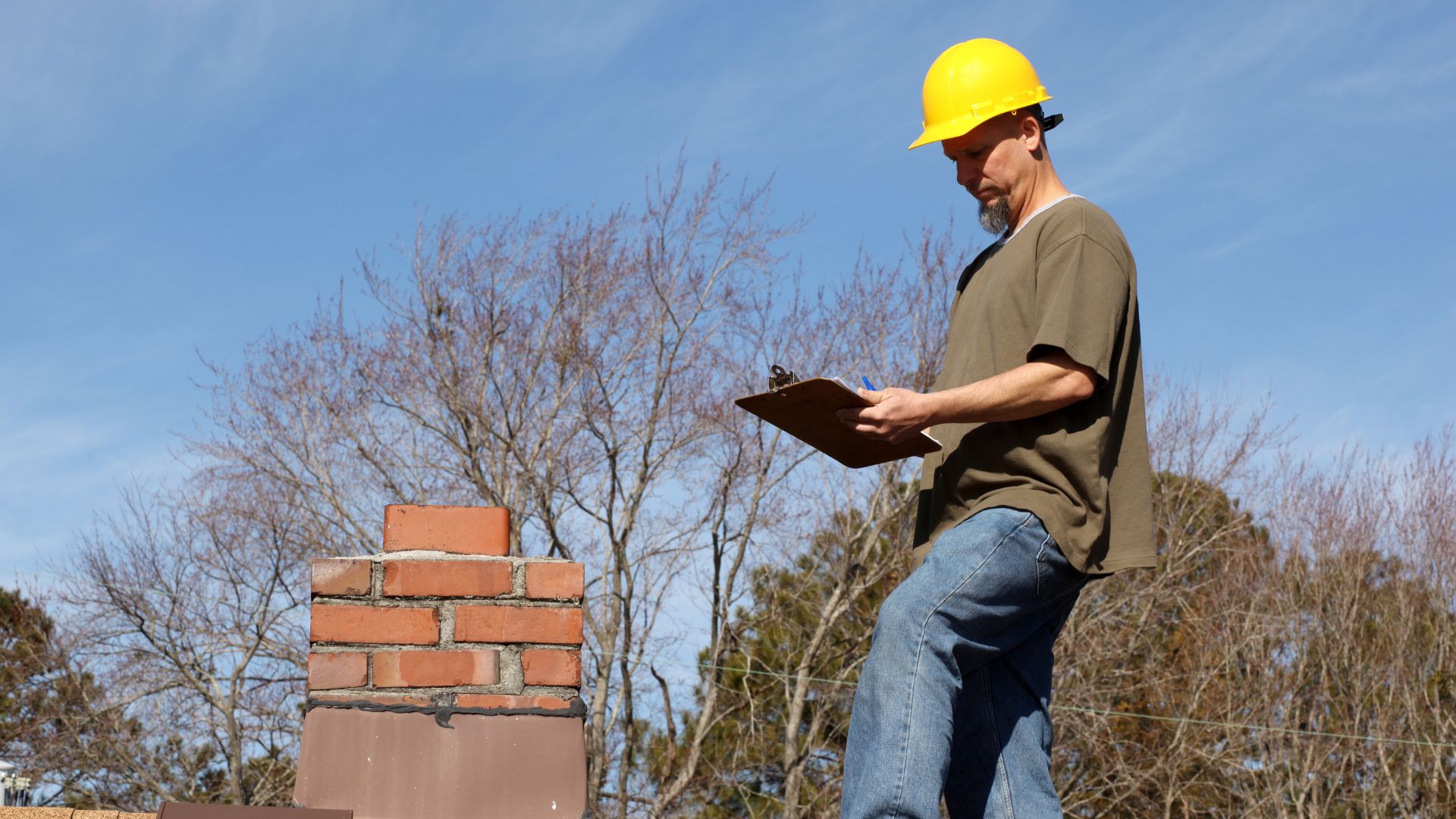
A thorough inspection evaluates the visible and hidden components of the chimney. This may include checking the flue, liner, damper, firebox, crown, and exterior masonry for damage or wear.
Professional Cleaning
Creosote, soot, and debris naturally accumulate over time, especially in wood-burning systems. Certified technicians use specialized tools to remove buildup safely and completely, reducing fire risk.
Structural Evaluation
Chimneys are exposed to weather year-round. Maintenance includes checking for cracked bricks, deteriorating mortar, loose flashing, and water damage that could weaken the structure.
Ventilation and Draft Assessment
Proper airflow is essential for safe operation. Certified maintenance ensures smoke and gases exit the home efficiently, preventing backdrafting and indoor air quality issues.
How Certified Chimney Maintenance Improves Home Safety
One of the primary reasons homeowners invest in certified chimney maintenance is safety. Chimney fires are often caused by creosote buildup, which is highly flammable. Regular certified maintenance significantly reduces this risk by removing hazardous deposits and identifying conditions that contribute to excessive buildup.
Additionally, damaged liners or blocked flues can allow carbon monoxide to seep into living spaces. Because carbon monoxide is odorless and invisible, it poses a serious threat if not properly managed. Certified inspections help ensure that combustion gases are safely vented outside the home.
Midway through the year especially before heavy fireplace use is an ideal time to schedule certified chimney maintenance. Homeowners who work with trusted providers like Vineland Chimney benefit from professional evaluations that prioritize safety, accuracy, and long-term performance.
Efficiency Benefits of Certified Chimney Maintenance
Beyond safety, certified chimney maintenance also improves efficiency. A clean, well-maintained chimney allows fireplaces and heating appliances to operate more effectively. Proper draft helps fires burn more evenly, reduces smoke issues, and improves heat output.
Blocked or damaged chimneys can cause poor combustion, leading to wasted fuel and inconsistent performance. Over time, this inefficiency can increase heating costs and place unnecessary strain on your system. Certified maintenance ensures your chimney supports optimal airflow and energy use, helping your home stay warmer without excess expense.
Long-Term Cost Savings for Homeowners
While some homeowners view chimney maintenance as an optional expense, certified chimney maintenance often saves money in the long run. Preventive care helps identify small issues such as minor cracks or early moisture damage before they require extensive repairs or full chimney rebuilding.
Routine maintenance also extends the lifespan of chimney components, including liners, caps, and masonry. By investing in regular certified service, homeowners can avoid emergency repairs, unexpected downtime, and costly damage caused by neglected systems.
When and How Often Chimney Maintenance Should Be Performed
Most industry guidelines recommend having your chimney inspected at least once a year, even if it is used infrequently. Homes with regular fireplace or stove use may require more frequent cleanings, depending on fuel type and usage patterns.
Factors that influence maintenance frequency include:
- Wood-burning versus gas appliances
- Age of the chimney
- Previous repair history
- Local climate and weather exposure
A certified professional can recommend a maintenance schedule tailored to your specific chimney system and household needs.
Choosing a Certified Chimney Maintenance Provider
Selecting the right provider is just as important as scheduling the service itself. Homeowners should look for companies that emphasize certification, transparent inspections, and clear documentation of findings.
When choosing a provider, consider asking:
- Are technicians certified and trained to current standards?
- Will I receive a detailed inspection report?
- Are recommendations explained clearly and honestly?
A reputable company will focus on education and safety, not pressure sales. Working with experienced professionals helps ensure your chimney receives the care it truly needs.
Frequently Asked Questions (FAQs)
1. What does “certified” mean in chimney maintenance?
It means the technician has completed recognized training and meets industry standards for chimney inspection, cleaning, and safety practices.
2. Is certified chimney maintenance necessary if I don’t use my fireplace often?
Yes. Even infrequently used chimneys can develop blockages, moisture damage, or ventilation issues that require professional attention.
3. How long does a certified chimney inspection usually take?
Most standard inspections take between 45 minutes and an hour, depending on the chimney’s condition and accessibility.
4. Can certified maintenance help prevent chimney fires?
Absolutely. Regular certified cleaning and inspections significantly reduce creosote buildup and fire risk.
5. Does certified chimney maintenance improve indoor air quality?
Yes. Proper ventilation and draft help prevent smoke and gases from entering your home, supporting healthier indoor air.
Conclusion
Certified chimney maintenance is an essential part of responsible homeownership. It protects your family from hidden hazards, improves heating efficiency, and helps preserve the long-term integrity of your chimney system. Rather than waiting for visible problems to appear, proactive maintenance ensures peace of mind throughout the year.By working with experienced professionals such as Vineland Chimney homeowners can trust that their chimney is inspected, maintained, and cared for according to the highest standards. Investing in certified chimney maintenance today is a practical step toward a safer, more efficient home tomorrow.