Chimney Liner Repair in Vineland, NJ: How to Hire Someone You Can Actually Trust
Most homeowners in Vineland don’t think about their chimney liner until something goes wrong. It might be smoke backing into the living room, a cracked flue tile discovered during an inspection, or concerns about a nearby chimney fire. Unfortunately, when problems appear, many homeowners rush to hire the first contractor they find. That urgency can lead to poor workmanship, unnecessary repairs, or higher costs.
Hiring the right chimney liner repair company starts with understanding what a chimney liner does, recognizing which tasks require a professional, and knowing how to identify a qualified contractor. This guide will help homeowners in Vineland and throughout Cumberland County make informed decisions before committing to expensive chimney repairs.
Why Your Chimney Liner Is So Important
The chimney liner is one of the most critical safety components of your chimney system.
Its primary functions include:
- Safely venting smoke and combustion gases.
- Protecting chimney masonry from excessive heat.
- Improving fireplace draft and efficiency.
- Reducing the risk of chimney fires.
- Preventing carbon monoxide from entering your home.
According to NFPA 211, chimney liners should remain continuous, properly sized, and free from cracks or structural damage.
Many homes throughout Vineland, Millville, and Bridgeton still contain original clay tile chimney liners installed decades ago. While durable, these liners naturally deteriorate due to age, repeated heating and cooling cycles, moisture intrusion, and occasional chimney fires.
Without routine inspections, chimney liner damage often goes unnoticed until serious problems develop.
Chimney Maintenance You Can Safely Do Yourself
Although chimney liner repairs should always be left to professionals, homeowners can safely perform several basic maintenance tasks.
These include:
- Visually inspecting the firebox and lower portion of the flue.
- Removing fireplace ash after it has completely cooled.
- Checking that the fireplace damper opens and closes properly.
- Photographing visible chimney conditions before an inspection.
- Maintaining working carbon monoxide detectors throughout the home.
If you notice obvious cracks inside the firebox or signs of moisture, document them and share the information with your chimney professional during the inspection.
When You Should Always Hire a Professional
Certain chimney repairs should never be attempted as DIY projects.
Contact a qualified chimney professional for:
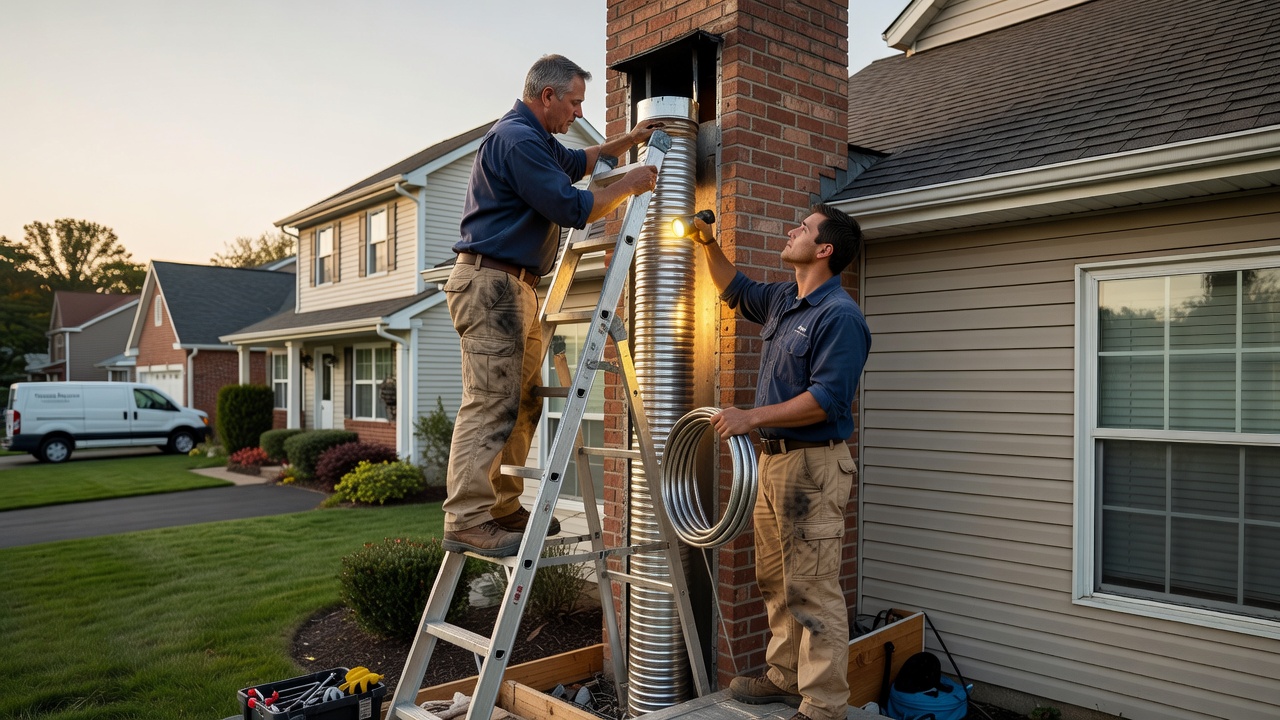
- Chimney liner repair or replacement
- Stainless steel chimney liner installation
- HeatShield® chimney resurfacing
- Cast-in-place liner systems
- Camera inspections
- Chimney inspections following a chimney fire
- Gas appliance venting repairs
- Chimney relining projects
- Permit-related chimney work
Professional chimney liner repairs require specialized equipment, knowledge of building codes, and compliance with manufacturer specifications that cannot be replicated through DIY methods.
How to Choose the Right Chimney Liner Repair Company
Choosing the right contractor begins with verifying their qualifications.
Look for CSIA Certification
The Chimney Safety Institute of America (CSIA) certifies chimney professionals who have completed specialized training in chimney safety, inspections, venting systems, and industry standards.
Always ask whether the technician not just the company is CSIA certified.
Verify Insurance Coverage
Reputable chimney companies should carry:
- General liability insurance
- Workers’ compensation insurance
Never hesitate to request proof of insurance before work begins.
Request a Detailed Written Estimate
Professional estimates should clearly explain:
- The repair method
- Materials being installed
- Labor costs
- Warranty information
- Estimated project timeline
- Any permit requirements
Avoid contractors who rely solely on verbal estimates.
Ask Which Repair Method They Recommend
Several chimney liner repair options exist, including:
- Stainless steel chimney liners
- HeatShield® resurfacing systems
- Cast-in-place liners
The appropriate repair depends on the chimney’s condition, appliance type, and inspection findings—not simply the contractor’s preference.
Ask to Review Camera Inspection Footage
Professional chimney inspections should include camera documentation showing the condition of the chimney liner.
Reviewing the footage allows you to understand exactly why repairs are recommended.
Warning Signs of an Unreliable Contractor
Be cautious if a contractor:
- Recommends expensive repairs without a camera inspection.
- Pressures you to sign a contract immediately.
- Cannot explain the recommended repair method.
- Refuses to provide written documentation.
- Offers prices that seem unusually low.
- Cannot verify certifications or insurance.
Professional chimney companies educate homeowners rather than relying on fear-based sales tactics.
What Chimney Liner Repairs Typically Cost
Repair costs vary depending on the type and extent of the damage.
Typical price ranges include:
- HeatShield® resurfacing: $800–$1,500
- Stainless steel chimney liner installation: $1,500–$4,500
- Cast-in-place chimney liners: $3,000–$5,000+
- Level 2 chimney inspection: $150–$250
Actual pricing depends on chimney height, accessibility, appliance type, liner material, and the amount of repair work required.
Why Annual Chimney Inspections Save Money
Regular chimney inspections help identify problems before they become expensive repairs.
Annual inspections can uncover:
- Cracked chimney liners
- Water intrusion
- Creosote buildup
- Masonry deterioration
- Drafting problems
- Chimney cap damage
- Flashing leaks
- Carbon monoxide hazards
Preventive maintenance extends the lifespan of your chimney while reducing the likelihood of emergency repairs.
Frequently Asked Questions
1. How do I know if my chimney liner needs repair?
Common warning signs include smoke entering your home, poor fireplace draft, cracked flue tiles, unusual odors, excessive creosote buildup, water intrusion, or damage identified during a professional chimney inspection.
2. What is a Level 2 chimney inspection?
A Level 2 inspection includes a specialized camera evaluation of the chimney liner and is recommended after a chimney fire, before installing a new appliance, when purchasing a home, or whenever chimney damage is suspected.
3. Can I repair my chimney liner myself?
No. Chimney liner repairs require specialized equipment, professional training, and compliance with building codes. Homeowners should limit maintenance to basic visual inspections and routine fireplace cleaning.
4. How much does chimney liner repair cost?
Minor resurfacing systems generally cost between $800 and $1,500, while complete stainless steel chimney liner installations typically range from $1,500 to $4,500, depending on the chimney and appliance.
5. Why should I hire a CSIA-certified chimney professional?
CSIA-certified chimney professionals receive specialized training in chimney inspection, fireplace safety, venting systems, and industry standards, helping ensure repairs are completed safely, accurately, and according to recognized best practices.
Schedule Your Free Chimney Inspection Today
If your chimney has not been professionally inspected in several years—or if you’ve noticed smoke problems, unusual odors, poor draft, or visible damage—now is the ideal time to schedule an inspection before the next heating season.
Vineland Chimney proudly serves homeowners throughout Vineland, Millville, Bridgeton, and surrounding Cumberland County communities. Our CSIA-certified chimney professionals provide comprehensive chimney inspections, detailed camera evaluations, expert chimney liner repairs, and honest recommendations without high-pressure sales tactics. Contact us today to schedule your free chimney inspection consultation and learn exactly what your chimney needs nothing more and nothing less.
Areas we serve
Vineland, NJ · Vineland, NJ · Vineland, NJ · Vineland, NJ · Vineland, NJ · Vineland, NJ · All areas →